


ROCK ART

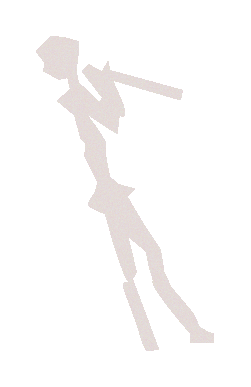


Rock art represents one of humanity’s earliest and most enduring forms of visual expression, appearing on cliff faces, cave walls, and natural rock formations across Africa, the Americas, Europe, Asia, and Australia. Rock Art refers to images created on rock surfaces, typically paintings (pictographs) made with mineral pigments, and engravings (petroglyphs) produced by pecking or incising the surface. These images often depict humans, animals, abstract symbols, and geometric designs, and serve as some of the world’s oldest forms of visual communication, preceding written history.
Early archaeological interpretations emphasized rock art’s symbolic and spiritual dimensions, locating it within cognitive and ritual frameworks that reflect belief systems, cosmologies, and social practices (Anati 2015; Gibbon 2017). Anati (2015) characterizes rock art as a form of historical record that preserves aspects of human experience beyond the reach of written or remembered history, reflecting what early communities found meaningful. Similarly, David and McNiven (2017) emphasize that rock art is among the most widely distributed and visible cultural practices worldwide, offering valuable insight into the symbolic thinking and cognitive worlds of early humans.

These perspectives position rock art as a window into past worldviews, showing its role in ritual life and symbolic communication rather than seeing it as purely decorative or isolated. Scholars continue to expand these definitions by recognizing rock art as a material record of embodied cultural expression. It can be viewed as a set of visual practices that are deeply embedded in social, ecological, and cosmological contexts. Rock art research is the field that helps us make sense of these ancient visual stories, and it’s one of the most exciting intersections of archaeology, anthropology, art history, and indigenous knowledge. It is about understanding human expression, how people from thousands of years ago communicated their beliefs, fears, dreams, and identities through images.
Schaafsma (2015:256) contended that rock art must be understood not solely as archaeological data but as living cultural expression with contemporary relevance, and that interpretations should account for Indigenous worldviews. This perspective challenged earlier typological approaches that often-reduced rock art to puzzle-like motifs disconnected from their cultural environments. She argued that rock art is not just archaeological data; it is sacred, relational, and often tied to oral traditions that resist being “decoded” by outsiders.

As anthropologists, we usually attribute our own meanings to these images without considering the cultures that created them. Schaafsma critiqued this habit calling for an approach that respects Indigenous worldviews where rock art is part of a broader spiritual landscape, not just a relic of the past. Understanding the meaning of rock art requires an interpretive approach to understanding the symbolic meanings embedded in the art. It is essential to consider the cultural context in which the art was produced, the symbols utilized, and their significance to the community. Geertz’s concept of "thick description," in his 1973 book, The Interpretation of Cultures, works hand in hand with ethnographic work. It views culture as a semiotic system of symbols and meanings that people use to communicate and make sense of their world. Thus, just observing leaves out a whole layer of the meanings behind actions. Understanding the context and meanings helps us decipher the full meanings of the art we see displayed on the rock surfaces. But how do you do ethnography and understand the cultural meanings of art from a community which is not present anymore? One method is to consider the descendants of these people and to investigate which cultural behaviors related to the production of art and visual culture are still practiced today.
In southern Africa, interpretation is strongly shaped by ethnographic research with San (Bushman) communities of the Kalahari Desert. Katz, (1982) conducted ethnographic research focusing on the medicine men among the Kalahari Kung. He looked at how they interacted with their land, how they performed their rituals and used medicine, which provided a start to the understanding of the rock art in the southern Africa region. The work of Lewis-Williams and Pearce (2004) and Garlake (1995), positioned San cosmology, trance states, and ritual specialists as the main themes in rock art analysis, arguing that many motifs reflected spiritual mediation and altered states of consciousness. These shamanistic frameworks dominated much of the interpretation of Later Stone Age rock art and have been influential in shaping regional scholarship for decades. However, more recent scholarship has critiqued the singular dominance of ritual explanations. Dowson (2007), for example, proposed frameworks that emphasize social, ecological, and animalistic relations rather than restricting interpretation to trance states.
Zimbabwean Scholarship

Zimbabwe is home to some of the most significant rock art sites in Africa, with paintings and engravings that date back up to 13,000 years ago (Walker, 2012). Peter Garlake was one of the pioneering figures in the archaeological study of Zimbabwean rock art. His work followed the period of Zimbabwe’s independence and provided one of the first comprehensive analytical treatments of motifs, themes, and spatial arrangements in rock art. In The Hunter’s Vision, Garlake (1995) interpreted rock art imagery as part of dynamic symbolic systems reflecting ideological concerns related to transformation and cosmology. His emphasis on the formal relationships among motifs and the conceptual frameworks they suggest has helped establish descriptive and analytical foundations for later research.
This led archaeologists to try and answer the question of what the pictographs and petroglyphs meant, however most of it has been explained from a shamanistic perspective. Julie Zimmermann Holt (2013) in her article about the Cahokia Red horn symbol writes, “archaeologists often joke – about other archaeologists – that when they don’t know the function of an artifact, they say it must be a ritual object. However, the reality is that rituals are performed in all cultures, and these rituals can leave archaeological evidence behind: that is, some artifacts really were ritual objects” (Holt, 2013:17) Considering how most explanations for the meanings of the symbolism of rock art tend to be linked to shamanism and ritual activities, it does appear as if archaeologists use ritual explanations as replacements for something they cannot explain. The issue is not that these shamanistic/ritual interpretations are flawed, they are at risk of becoming default explanations when deeper cultural or historical analyses are absent. In Zimbabwean rock art, shamanistic interpretations must therefore be critically evaluated rather than just being accepted as credible.

In 2007, Thomas A. Dowson challenged prevailing shamanistic interpretations for rock art scenes in Zimbabwe. He argued that the entrenched focus on shamanism has limited the understanding of rock art, often reducing its rich and complex meanings to mere representations of shamanistic practices and trance states. This narrow perspective overlooks the broader social and ecological contexts in which these artworks were created. By resituating these humans within a naturalistic framework, Dowson emphasizes the interconnectedness and shared responsibilities of humans and non-human entities in maintaining vital life forces. The approach thereby highlights the natural depictions in rock art, such as scenes of daily life and interactions with animals, which reflect the integral role of the environment and its inhabitants in the spiritual and social lives of hunter-gatherer communities.
Ancila Nhamo’s research (2017) significantly advanced Zimbabwean rock art scholarship by examining spatial variation in motif representation across sites. Rather than assuming stylistic uniformity in rock art across the region, Nhamo argues that differences in motifs reflect variation in social, environmental, and ideological contexts among the hunter-gatherer communities that produced these images. The differences in theme, style and frequency can be interpreted as meaningful cultural variation, offering insights into prehistoric social complexity and local ontologies in different regions.
Nhamo also engages with heritage management and conservation issues, emphasizing threats such as environmental degradation, vandalism, and the lack of systematic documentation. Her work highlights the need for heritage strategies that address both scholarly interpretation and the ongoing protection and public dissemination of rock art knowledge. There are major themes and categories which are used when providing interpretations and descriptions to Zimbabwean Rock Art.
| Theme | Description | Image |
|---|---|---|
| Human Figures | Human figures are commonly portrayed in activities such as hunting, dancing, and rituals. They provide insights into social and economic practices. |

|
| Hunting Scenes | Illustrations emphasize the communal aspect of hunting and its role in survival, associated with wild animals and weapons such as spears. |

|
| Geometric Symbols | Abstract designs and geometric symbols may have ritualistic or symbolic meanings, related to spiritual beliefs or social structures. Some are part of naturalistic depictions of the landscape around them. |

|
| Animals | Animals seen as part of the natural depiction of the environment, as part of rituals and at times a reflection of totems representing clans or social groups. |

|
| Environmental/Naturalistic | Scenes of landscapes and vegetation highlight the relationship between people and their natural surroundings. |

|
| Rituals and Ceremonies | Depictions of rituals and ceremonies highlight spiritual and religious practices. Shamanism being the major explanation. Mostly seen through half human half animal depictions on the art. |

|
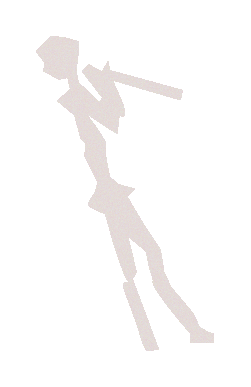
| Music and Instruments | These are depictions of musical instruments such as flutes, drums and shackles mostly believed to be associated with ritual ceremonies and normal gatherings. Hard to depict but appear at many rock art sites. |
|
Chronology and Dating
Dating rock art poses significant challenges worldwide due to the lack of organic material directly associated with images. In southern Africa, archaeologists have developed both indirect and direct chronological approaches to date rock art.
Indirect methods include associating rock art with dated archaeological layers in nearby deposits, stylistic sequencing, or environmental clues (e.g., absence of agricultural or historical motifs as relative age indicators). Using primarily relative dating techniques, Walker (2012) identified two major categories of rock art: hunter-gatherer art and Iron Age farmer art. This thesis project focuses on the hunter-gatherer art and, therefore, the discussion will prioritize art from this category over the later farmer art.
Due to the absence of images of domesticated livestock in most of the rock art scenes, relative dating places much of the hunter-gatherer rock art of Zimbabwe older than the introduction of sheep and other domesticated animals which occurred around 2150 BP (Walker, 2012:41). Walker (1996) provided a provisional chronology for the Matopos sites based on stratified Later Stone Age deposits, stone tool typologies, and their association with painted shelters/caves. The chronology suggests hunter-gatherer art may date back to as early as 13-15,000 BP and may have continued until around 1800 years ago (Walker 2012:44). The chronology situates the production of much of the art before expansion of farming communities into the region after foragers appear to have shifted settlement patterns.
Bonneau et al (2017) used direct dating techniques to provide a chronology for sites in Botswana and South Africa. The study used accelerator mass spectrometry (AMS) radiocarbon dating of black pigments (isolated from rock paintings and carefully pretreated to remove contaminants) to obtain reliable age estimates. This research established that southern African hunter-gatherers were creating images on rock shelter walls as long ago as 5723–4420 cal BP in south-eastern Botswana, 2326–965 cal BP in western Lesotho, and 2998–2381 cal BP in the Maclear District of South Africa (all calibrated ages are given at 95.4% confidence) (Bonneau et al., 2017).
These results not only represent some of the oldest directly dated rock art in southern Africa but also show considerable temporal depth, with some sheltered walls used repeatedly as painting locales over time. The oldest of the dates from Botswana currently provide the oldest evidence for rock art painting anywhere in Southern Africa. The estimated Late Pleistocene/Early Holocene dates for the rock art of Matopos, Zimbabwe are much older than these directly dated sites in Botswana (Walker, 1996), but they have not yet been subjected to radiometric dating methods. Hopefully these techniques can be used on Zimbabwean art in the future to provide more direct dates and a firmer chronological sequence.
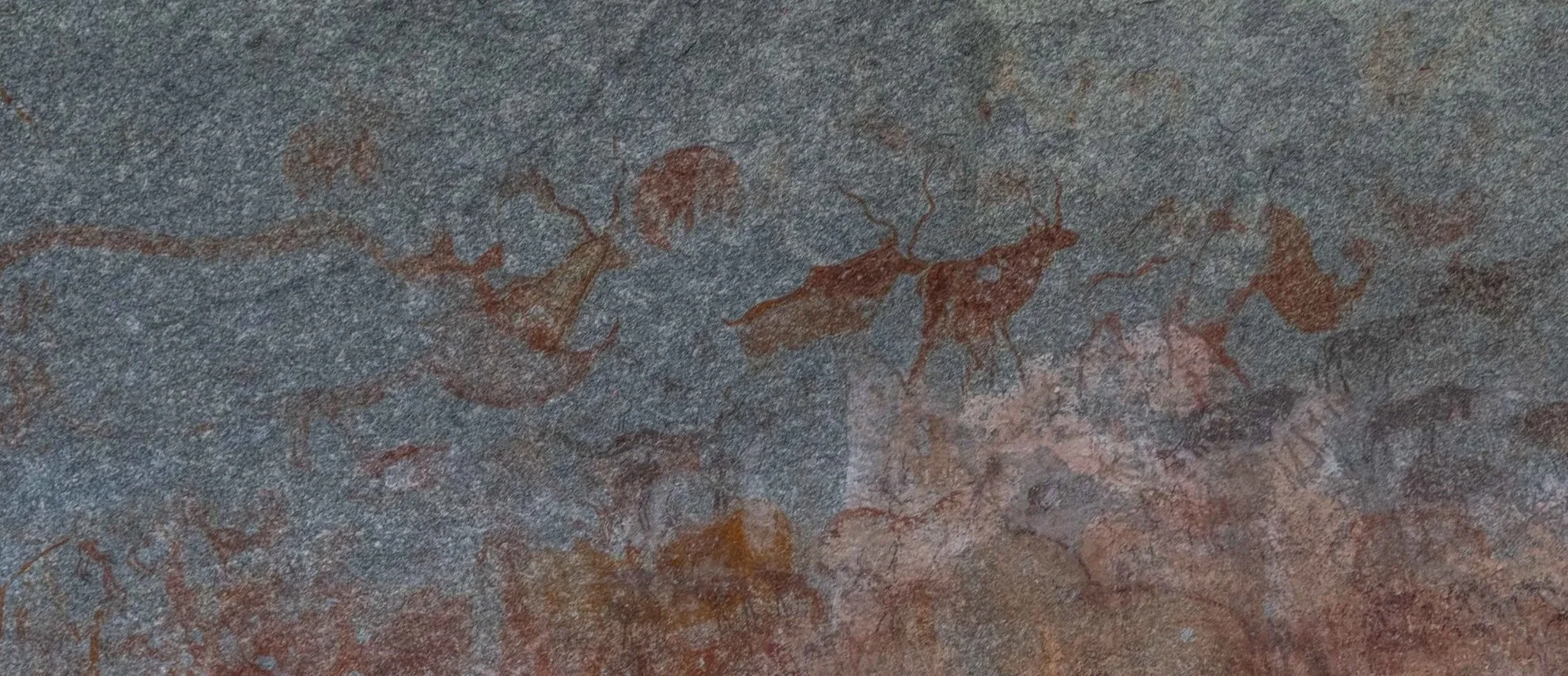
Granite rock with animal depictions in brownish-red pigment