Makumbe Caves
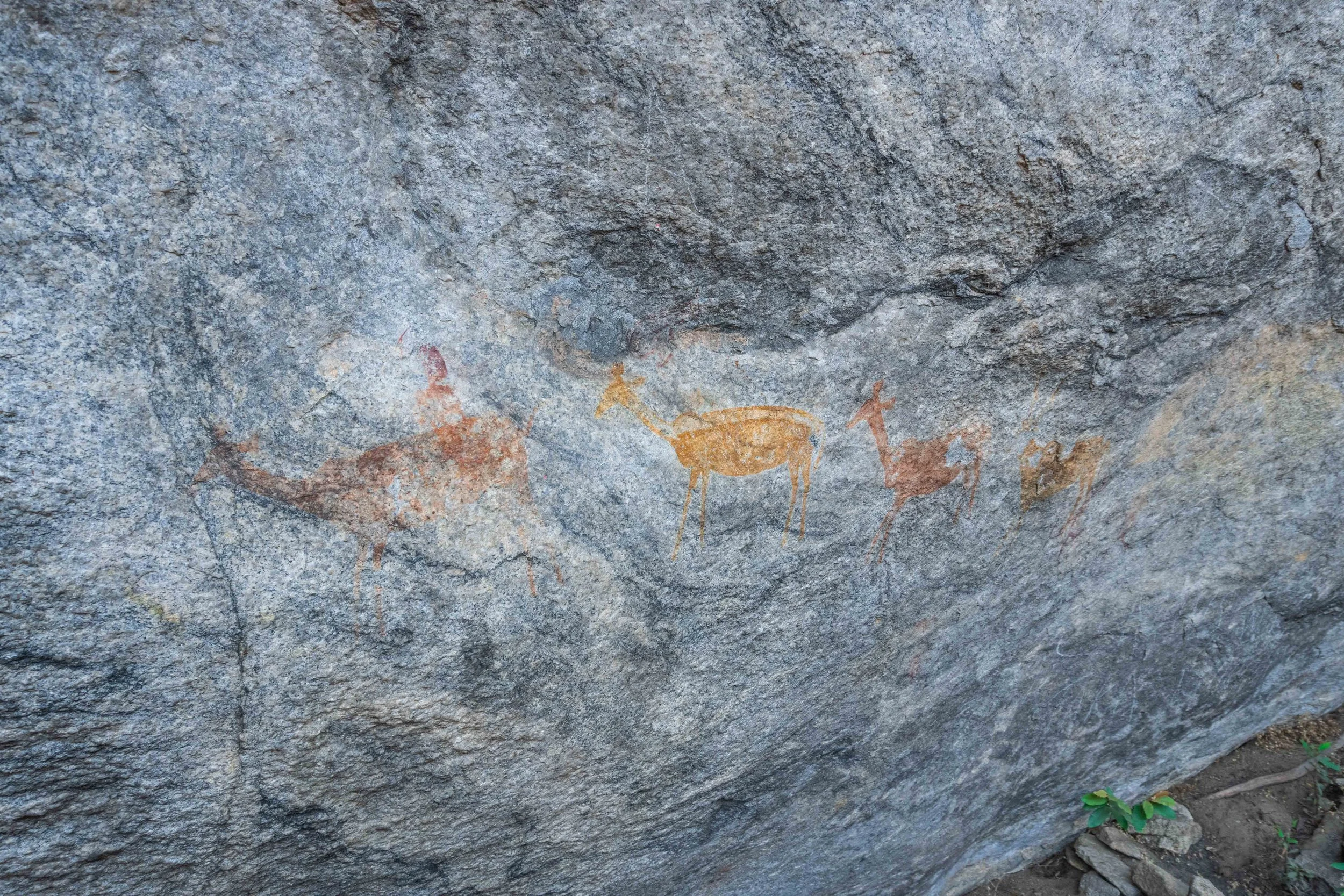
Deer facing the west, three in brownish red pigment and one in orange pigment
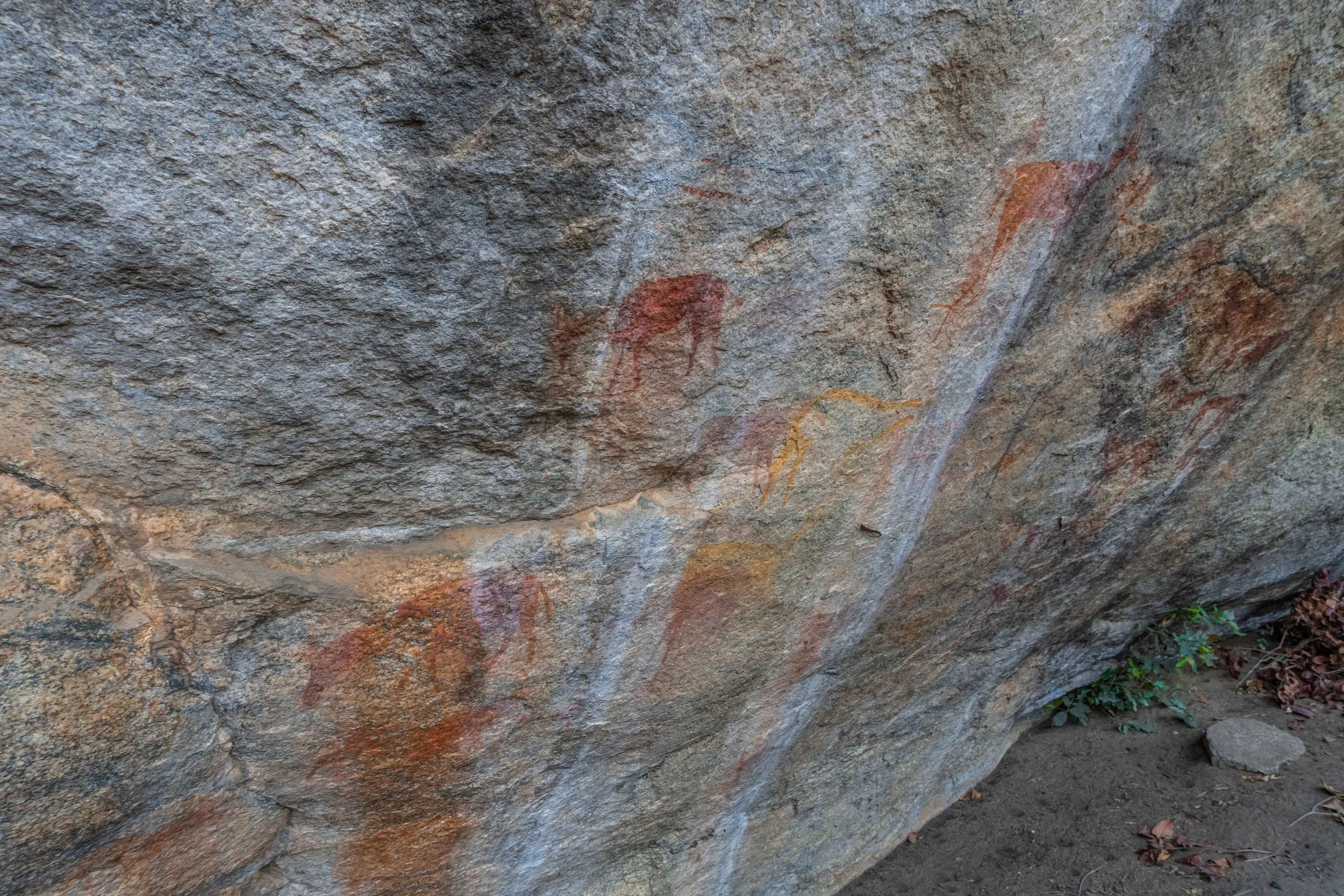
Deer and antelope which look as if they are grazing. Rock panel has been affected by rain water seen by the white overlay
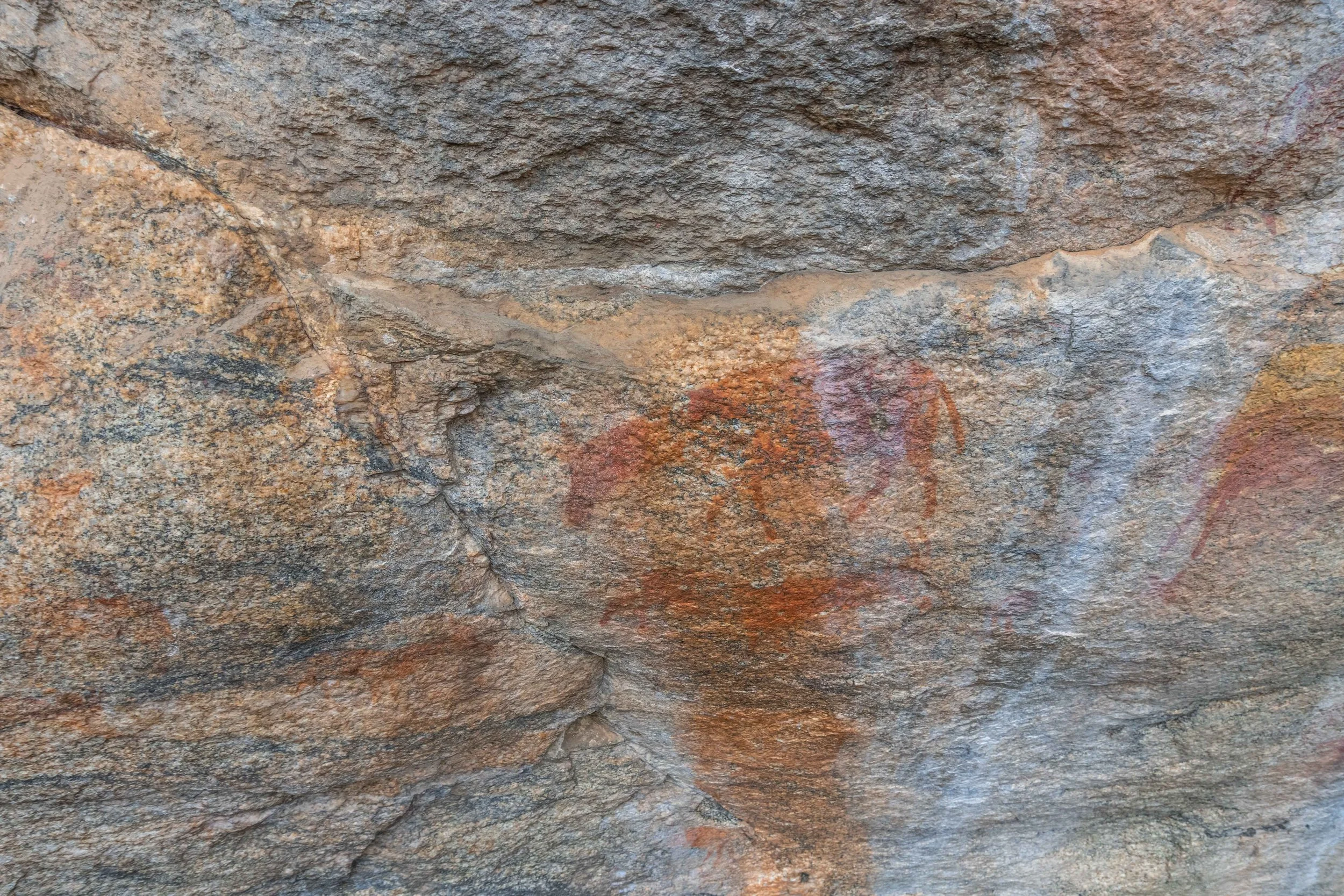
Close up of one deer in brownish pigment
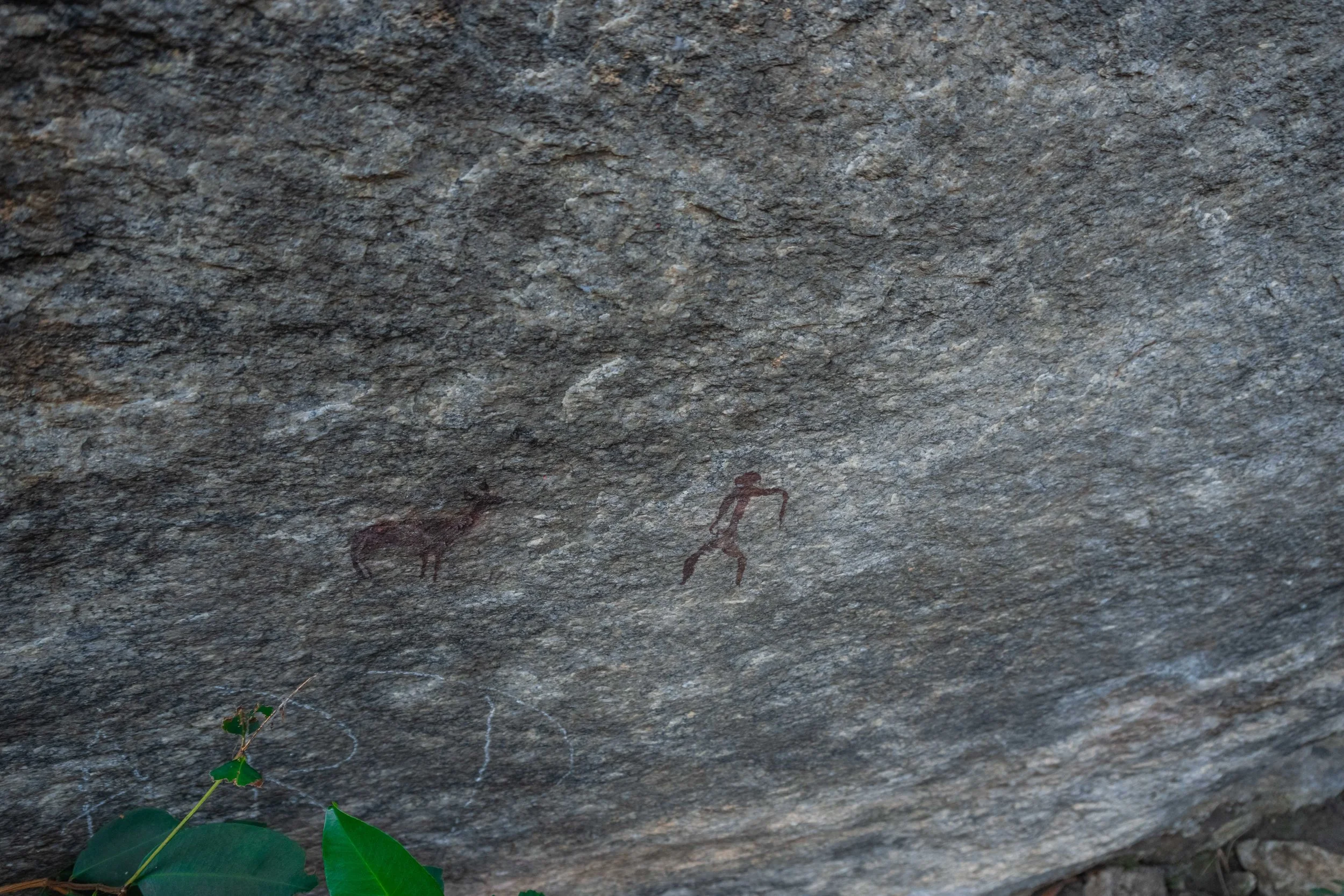
Human figure in front of deer possibly a hunting scene
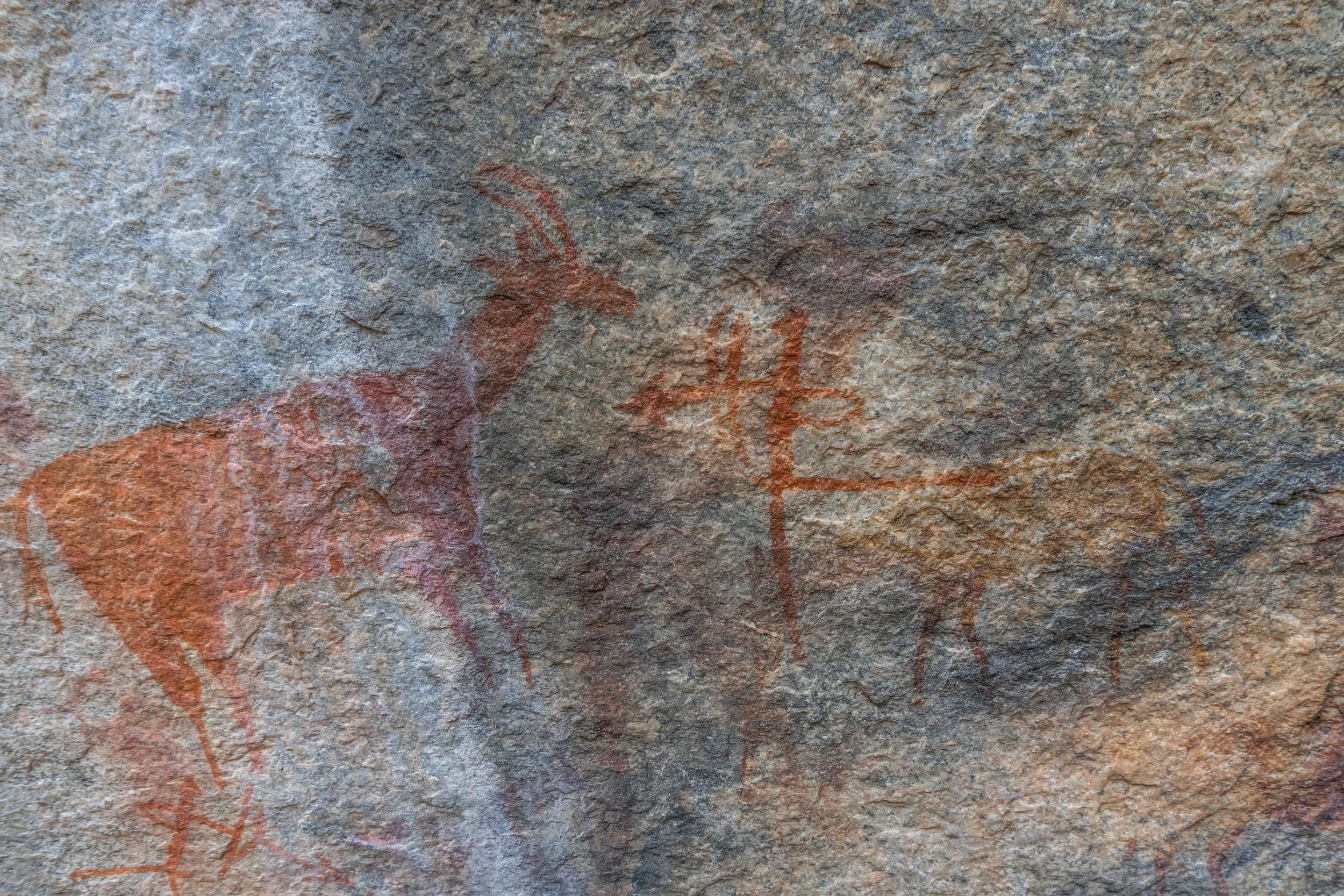
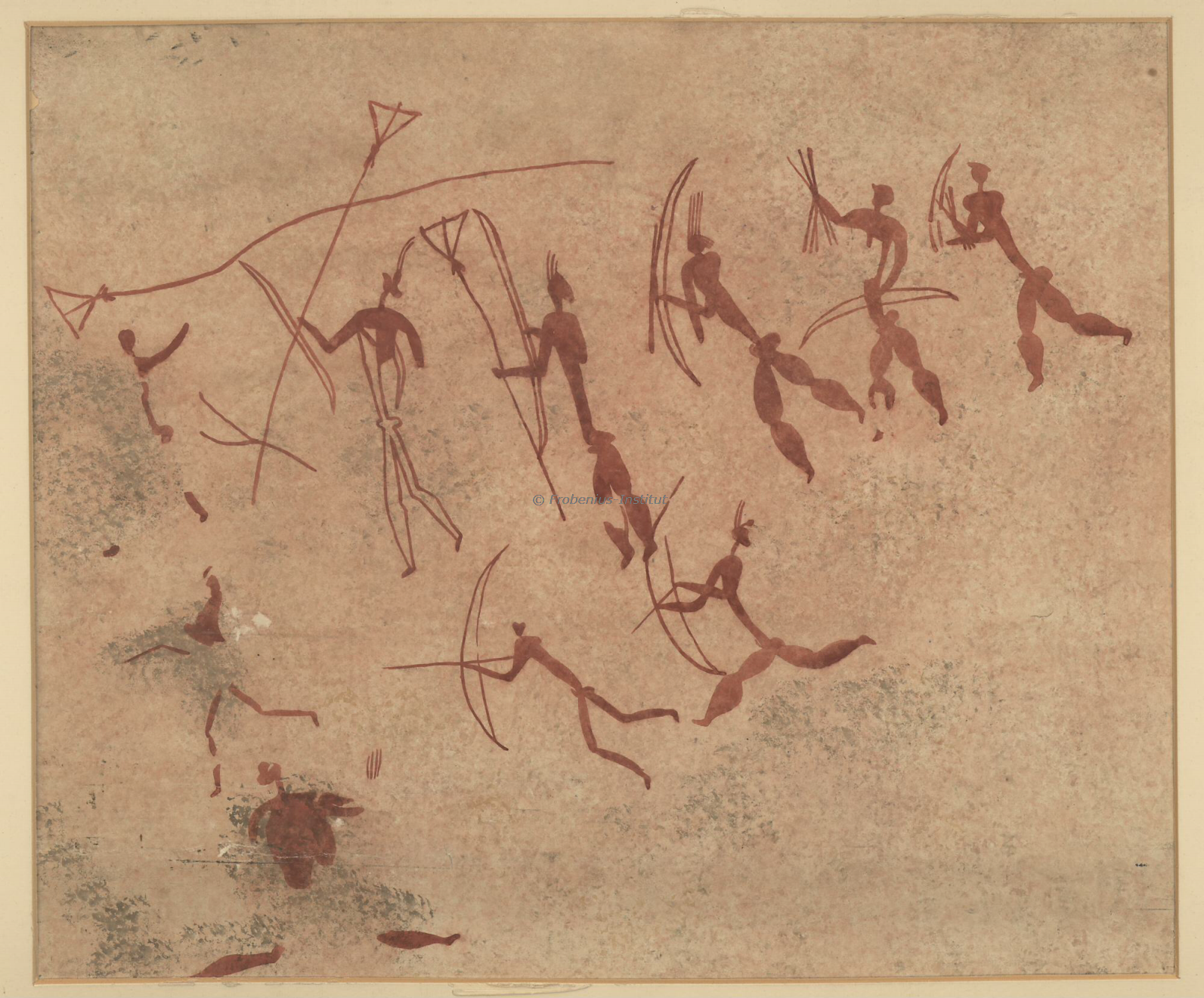
Active hunting scene, hunter holding a bow and arrow pointing directly at the animal
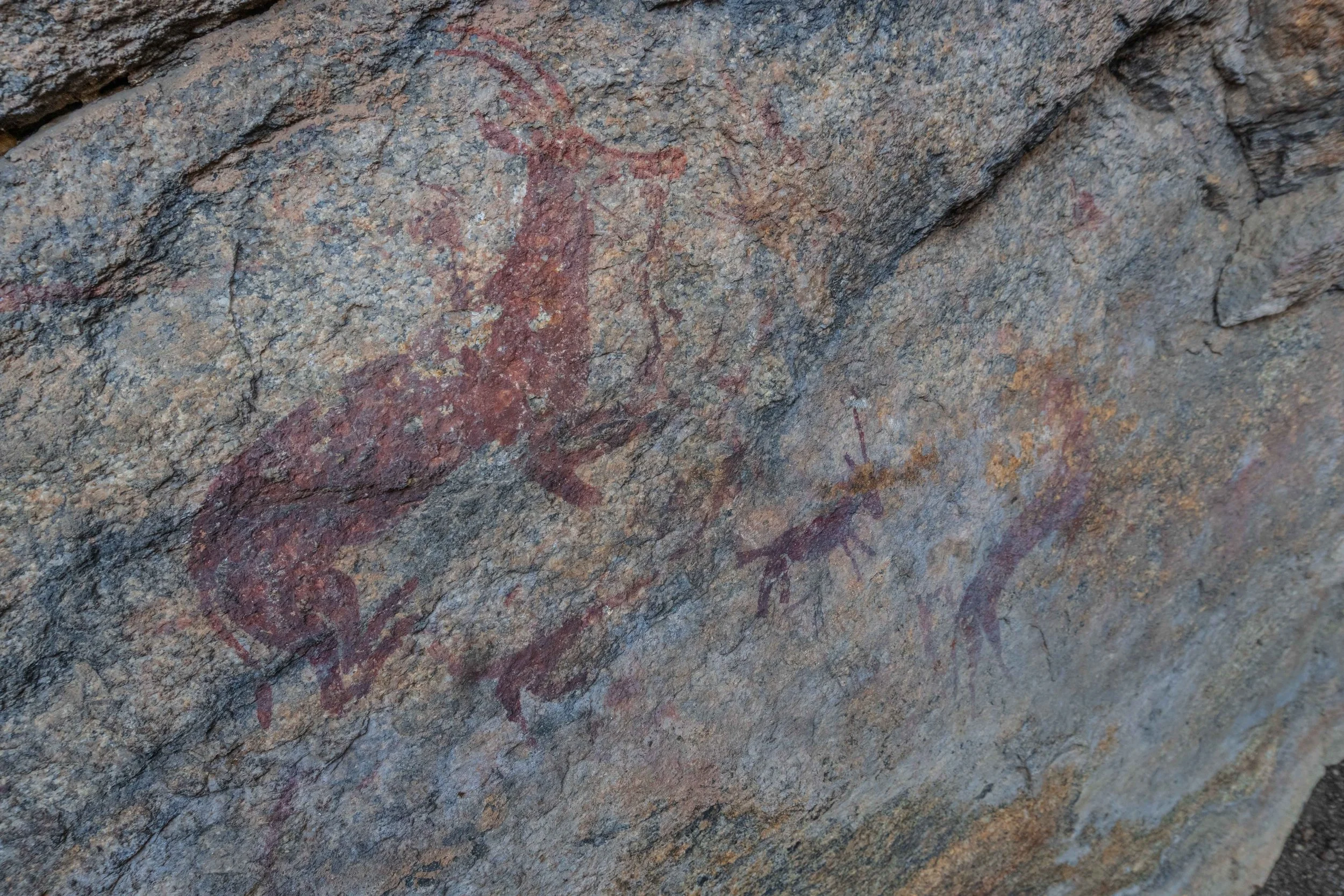
Sable antelope in a lying position
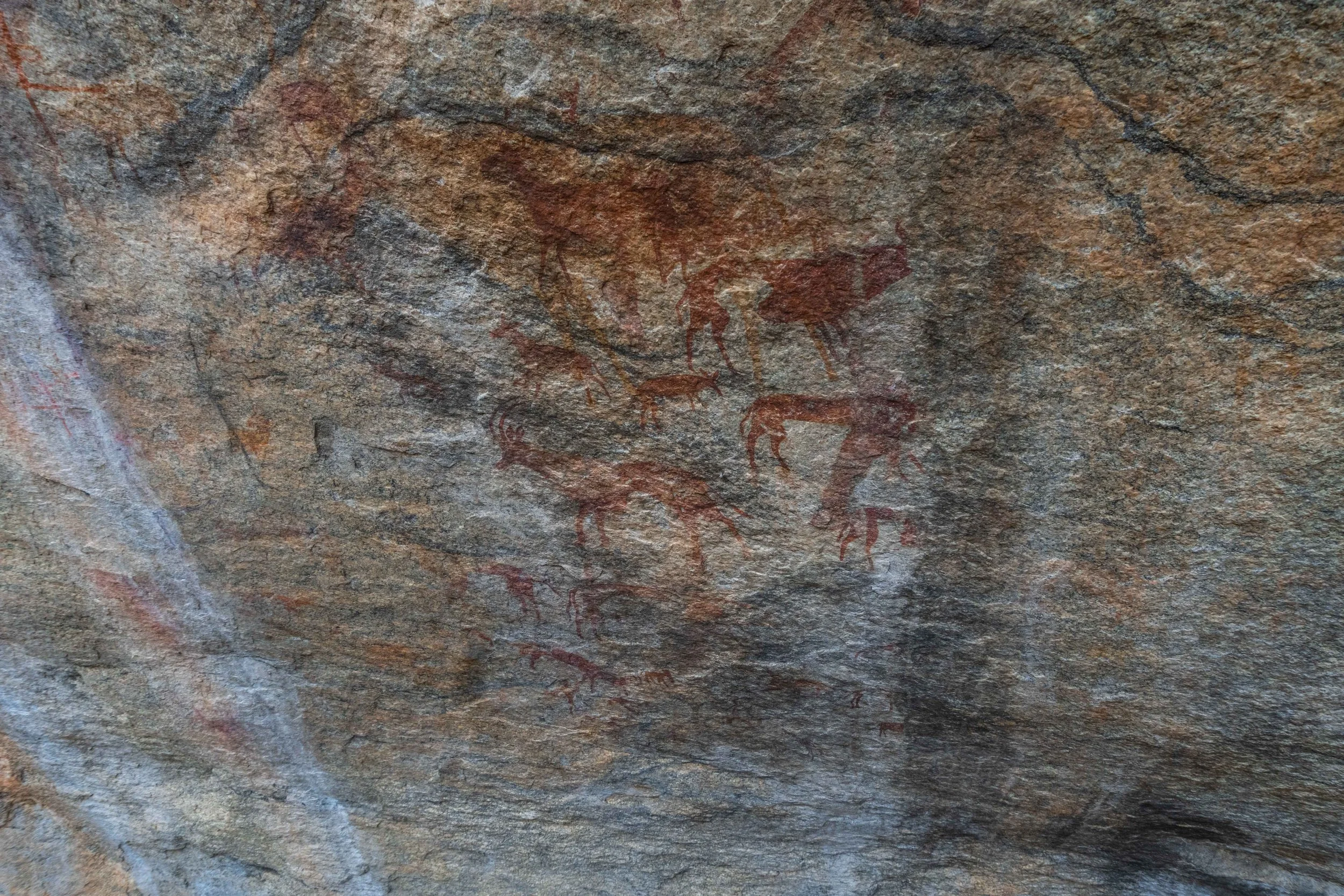
Superimpositioned sable antelope and kudu
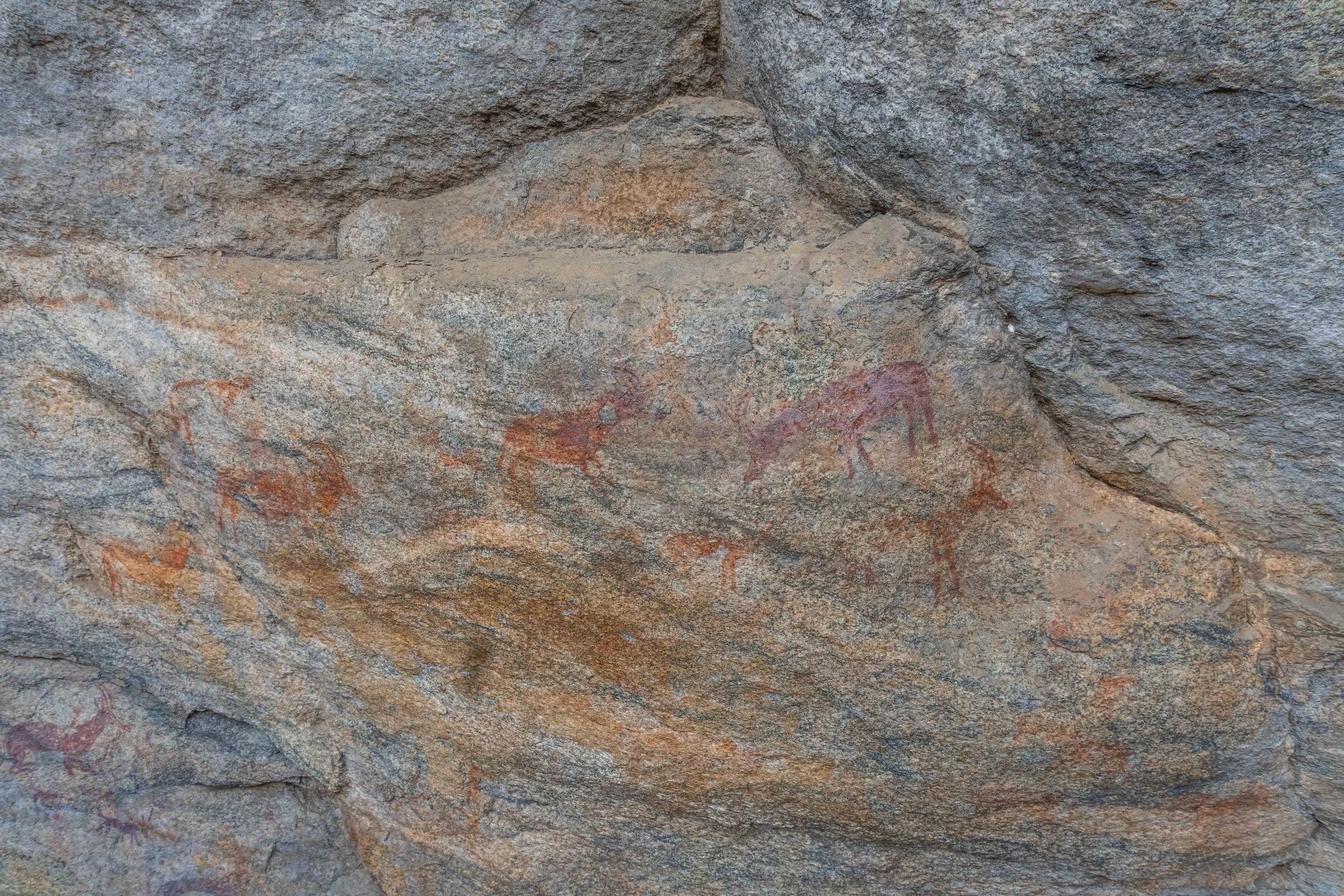
Couple of animal depictions; deer, kudu
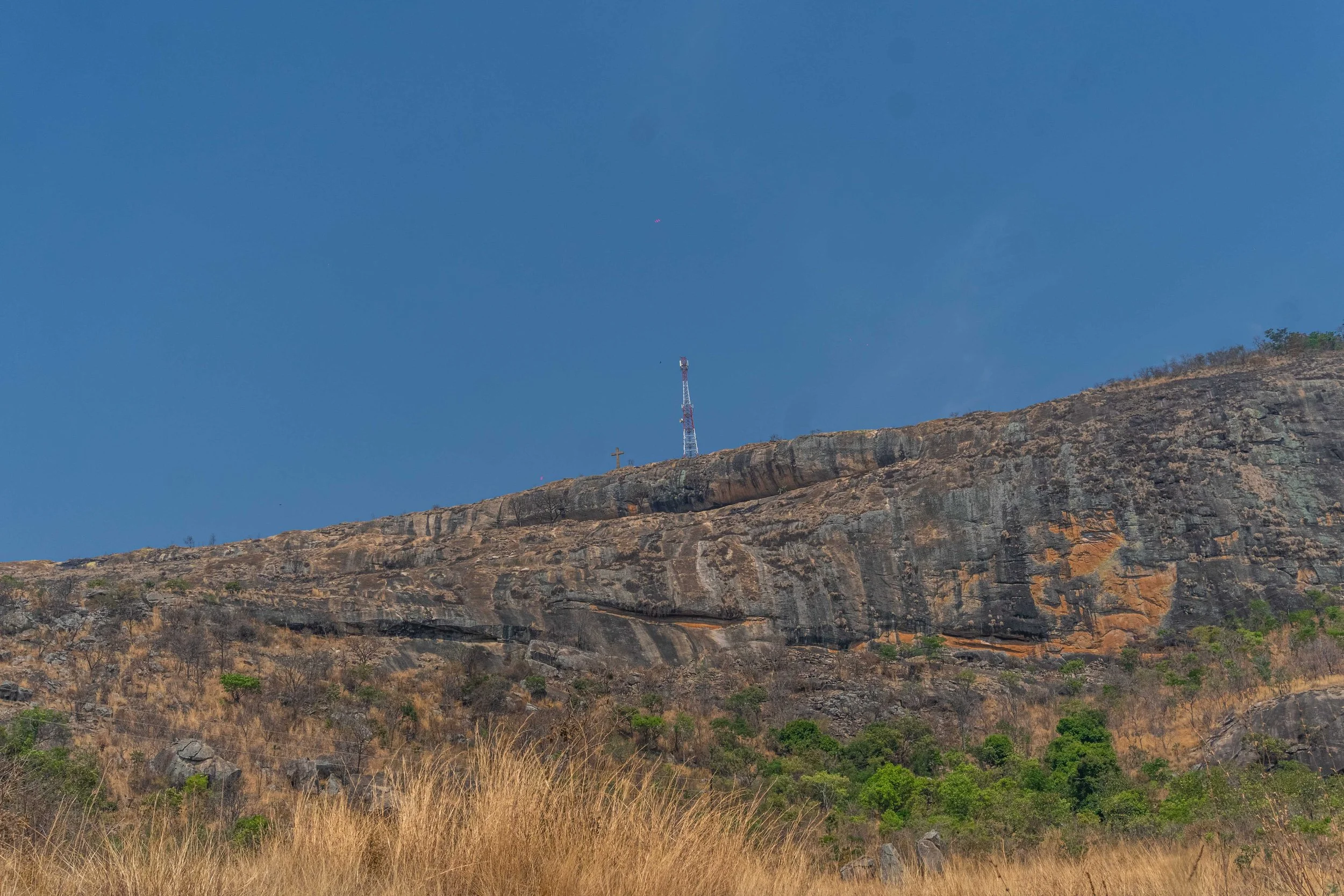
The Makumbe mountain also locally known as the Cross mountain
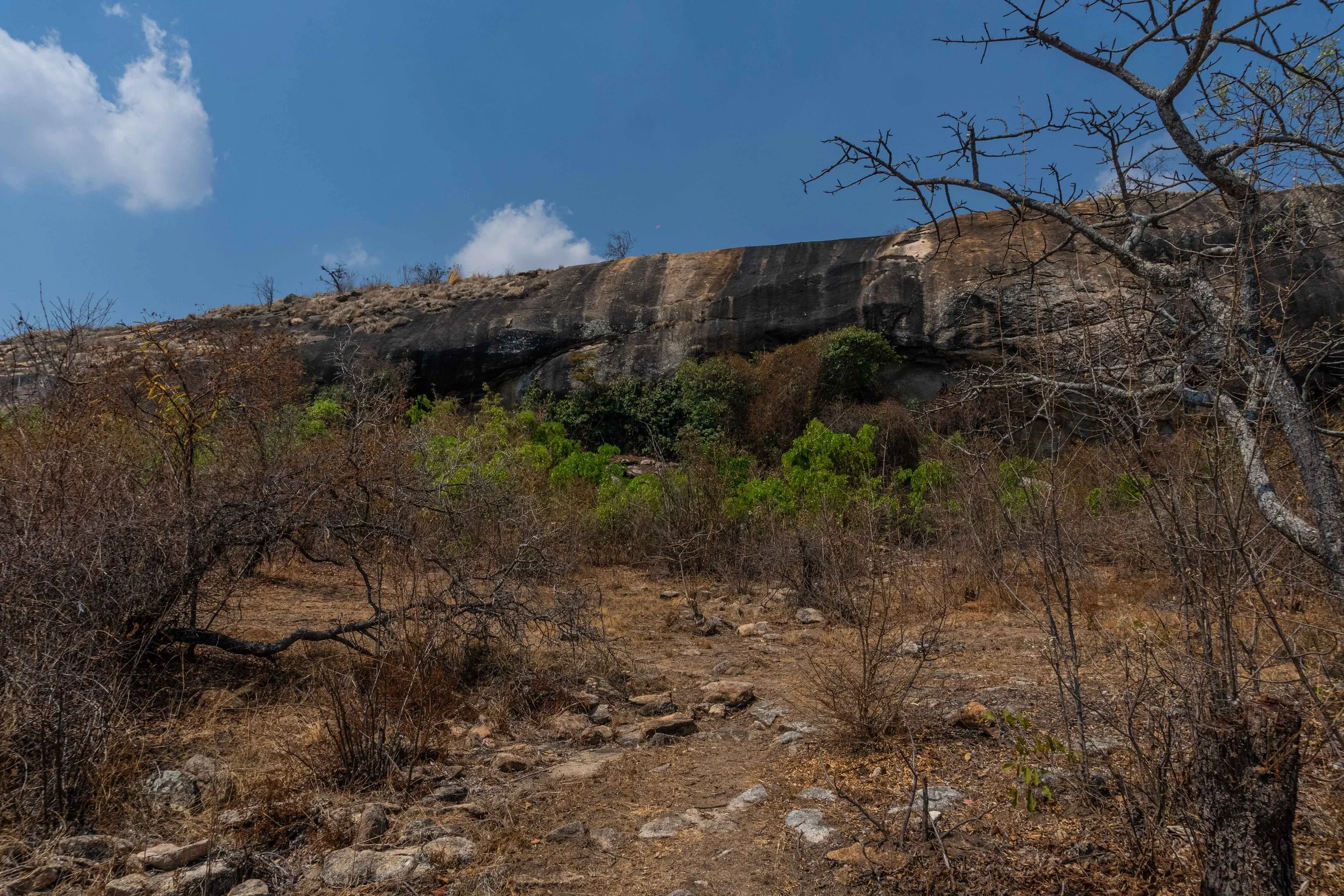
Outside of the cave which shows soot covering most of it
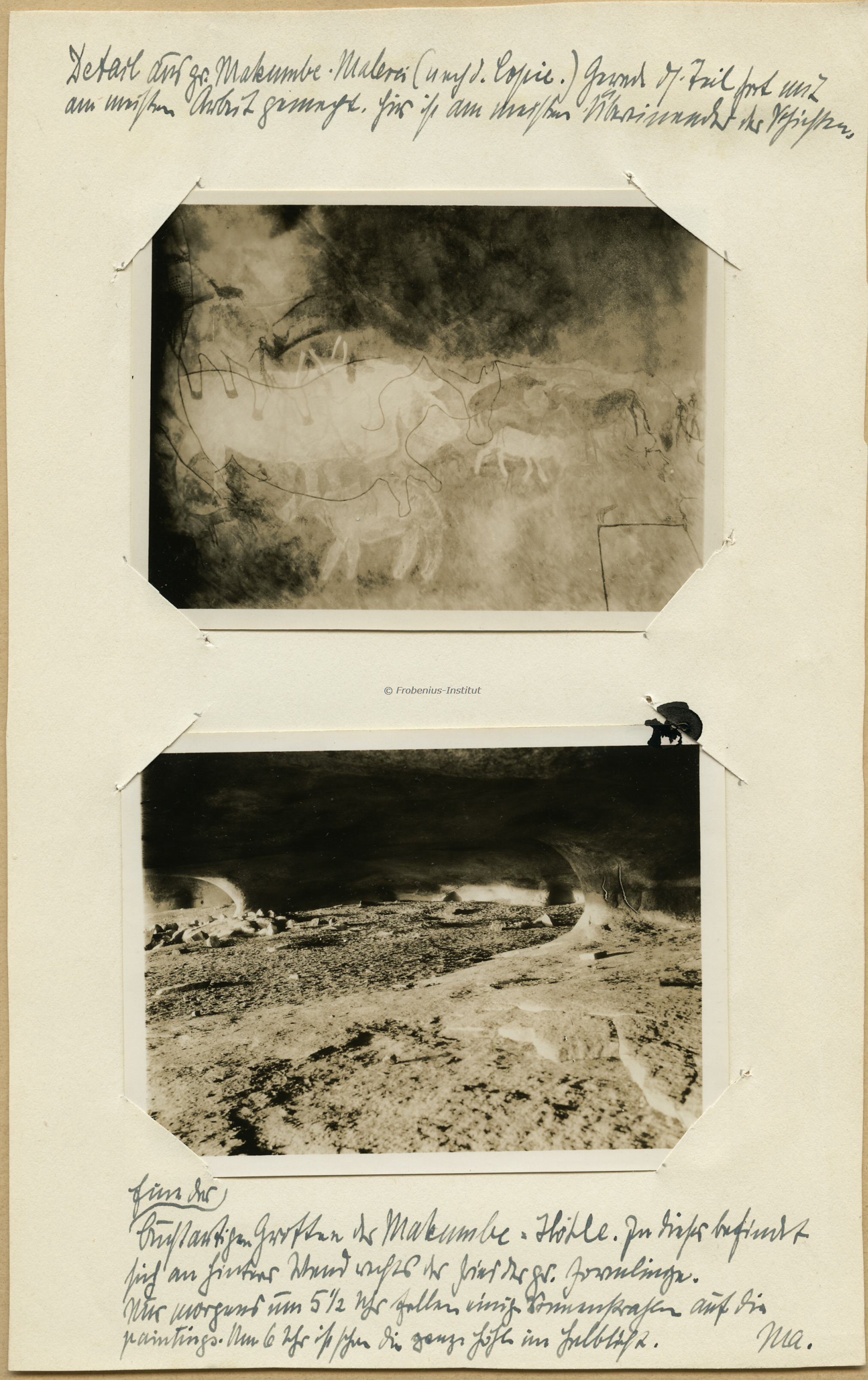
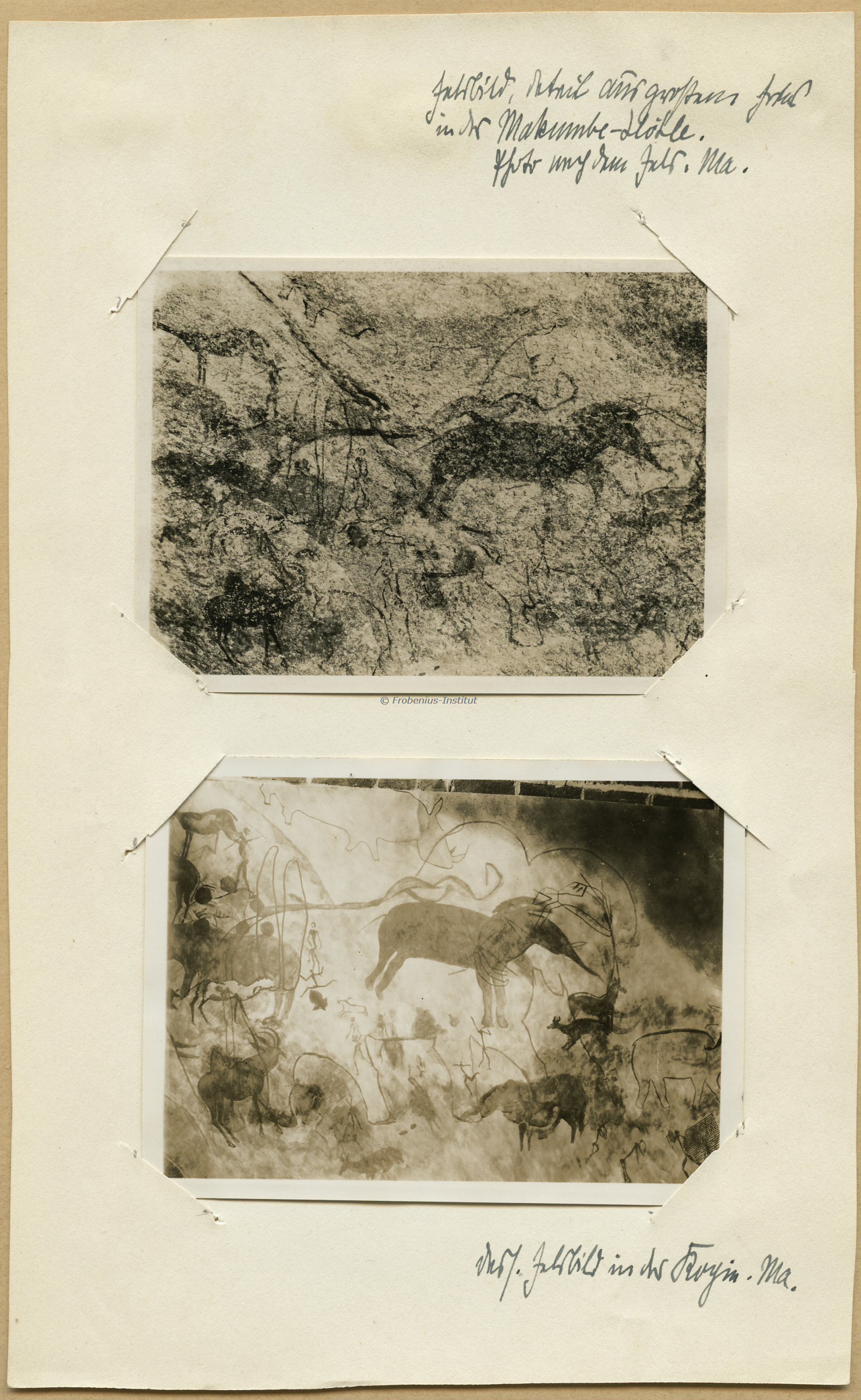
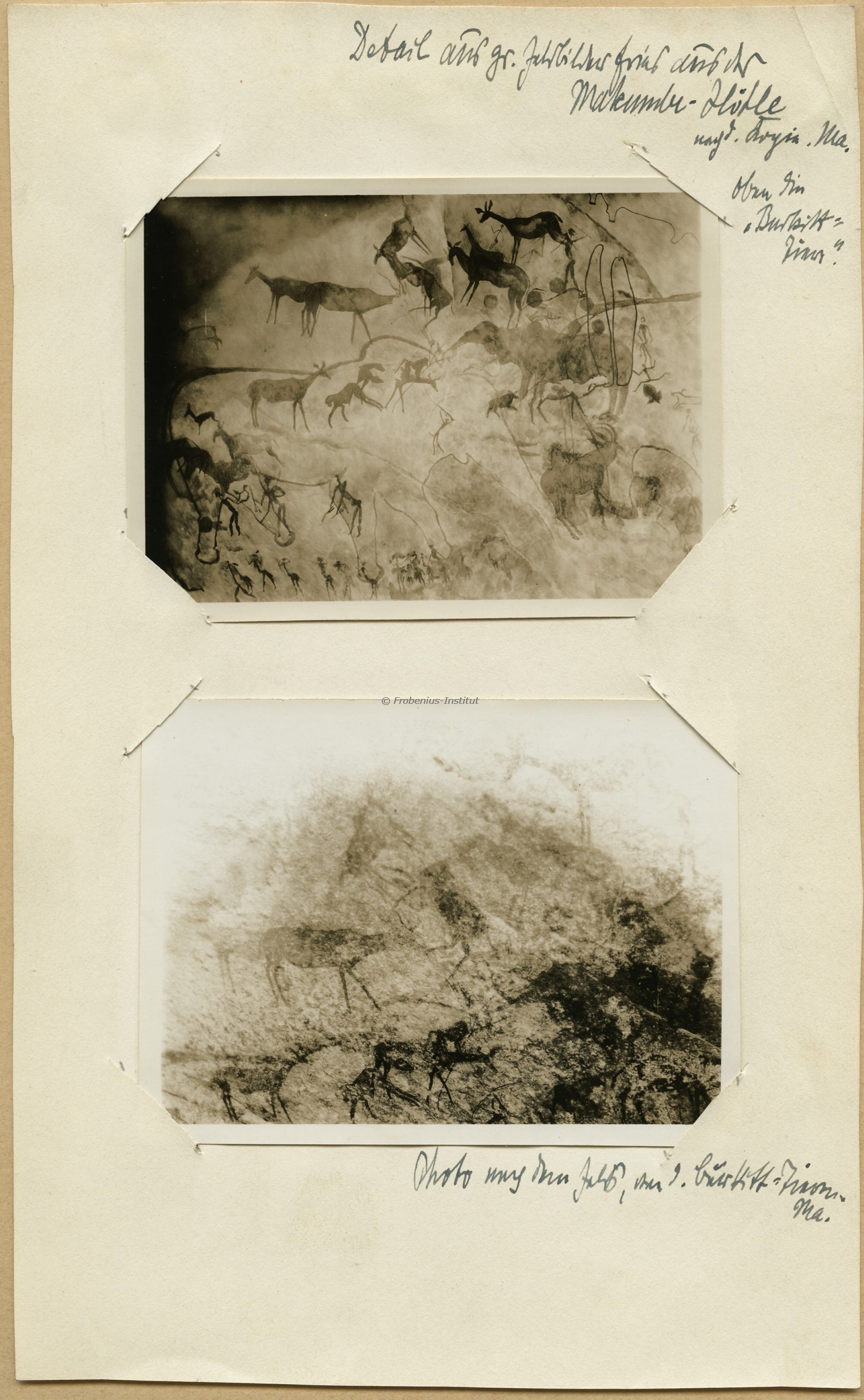
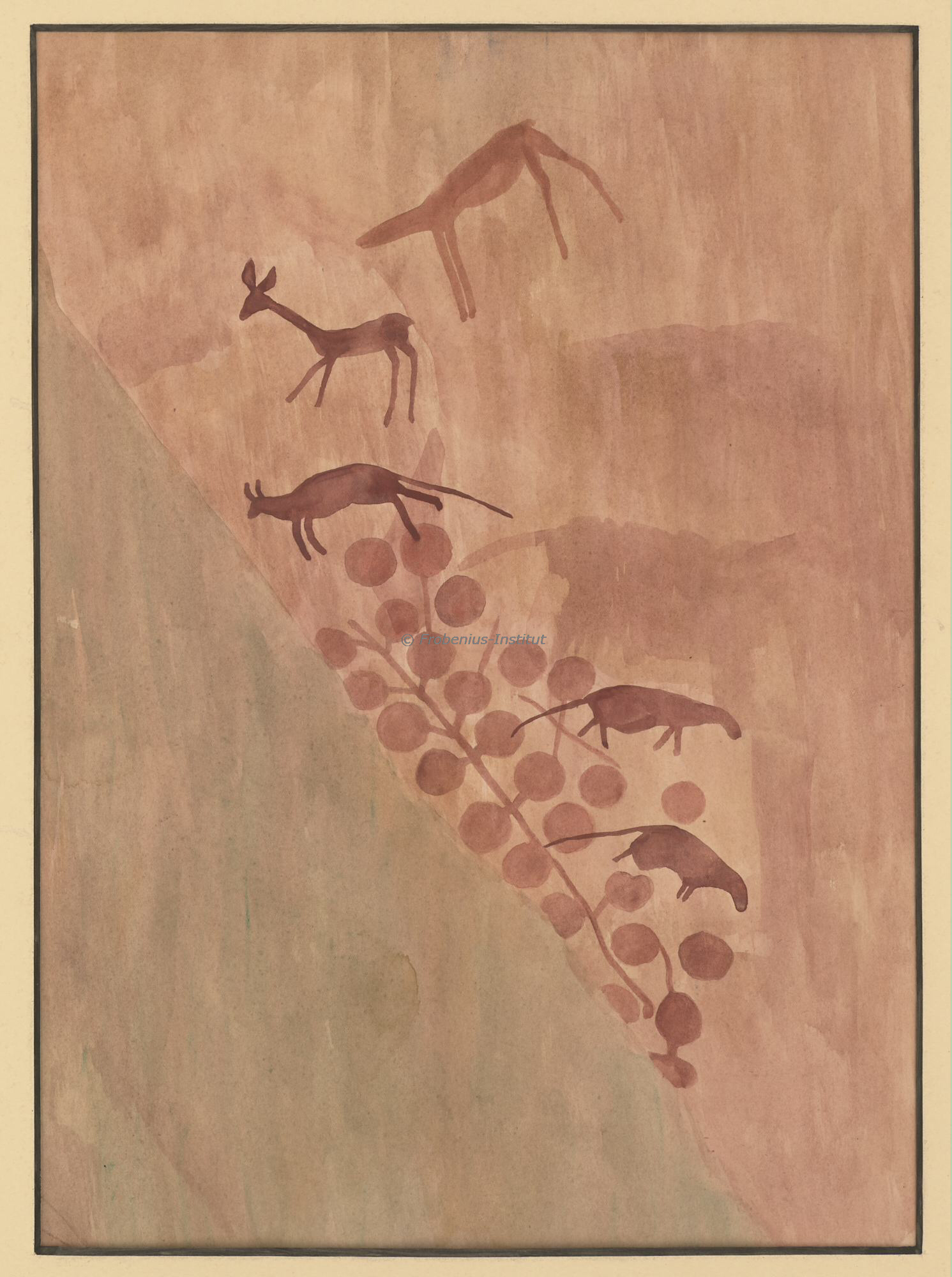
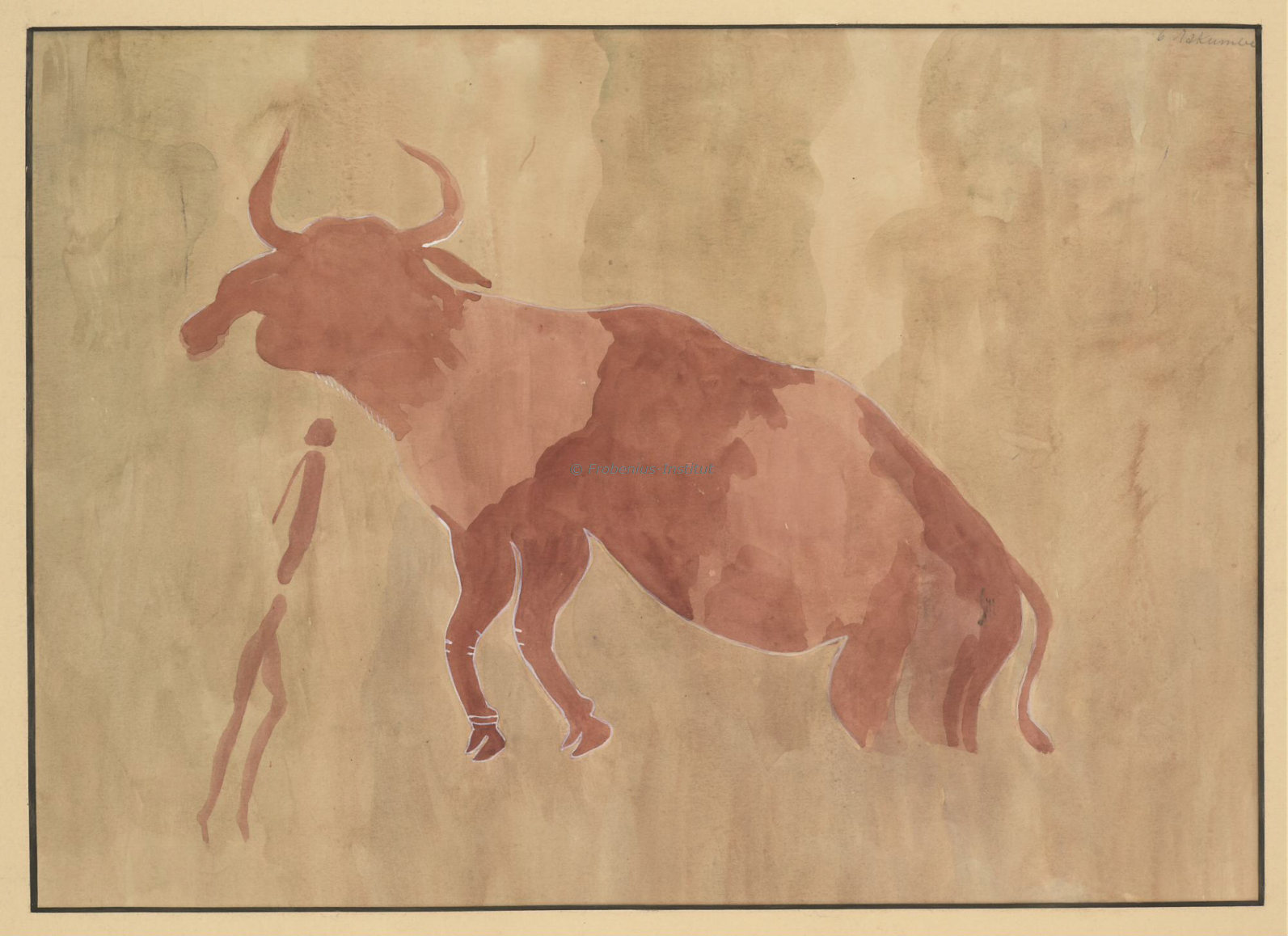
Archived photo of the cave from the Frobenius Institut
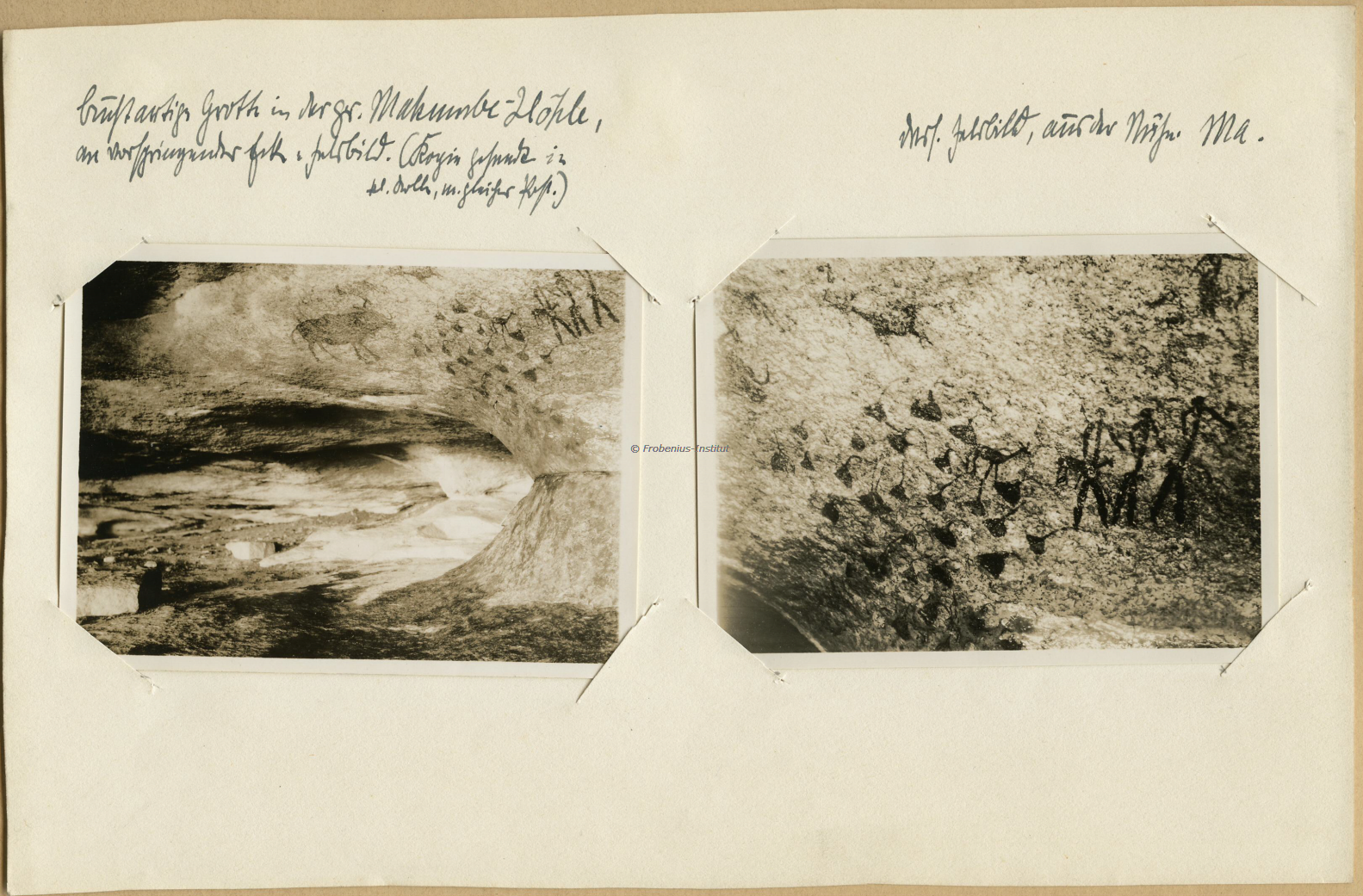
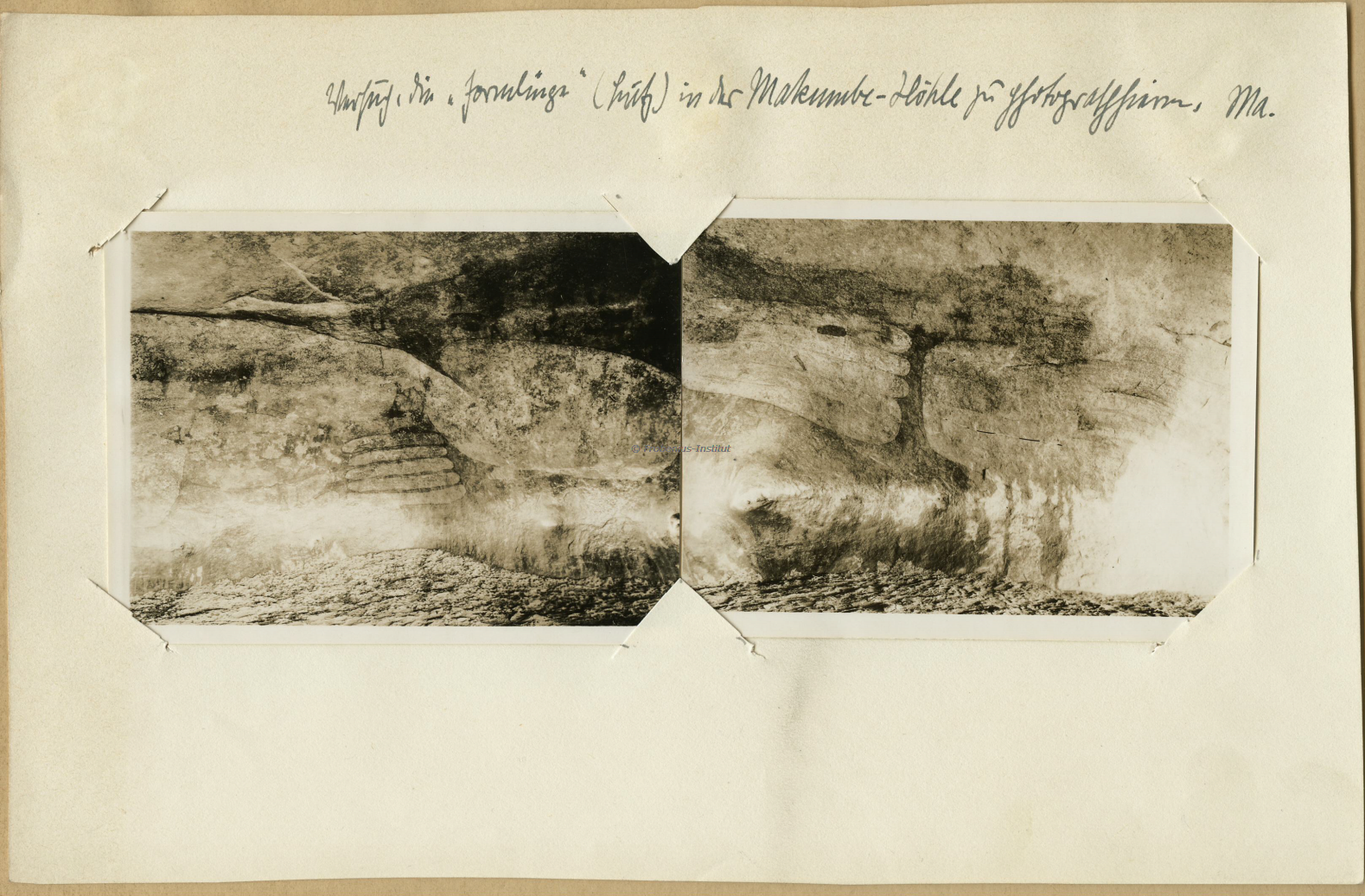
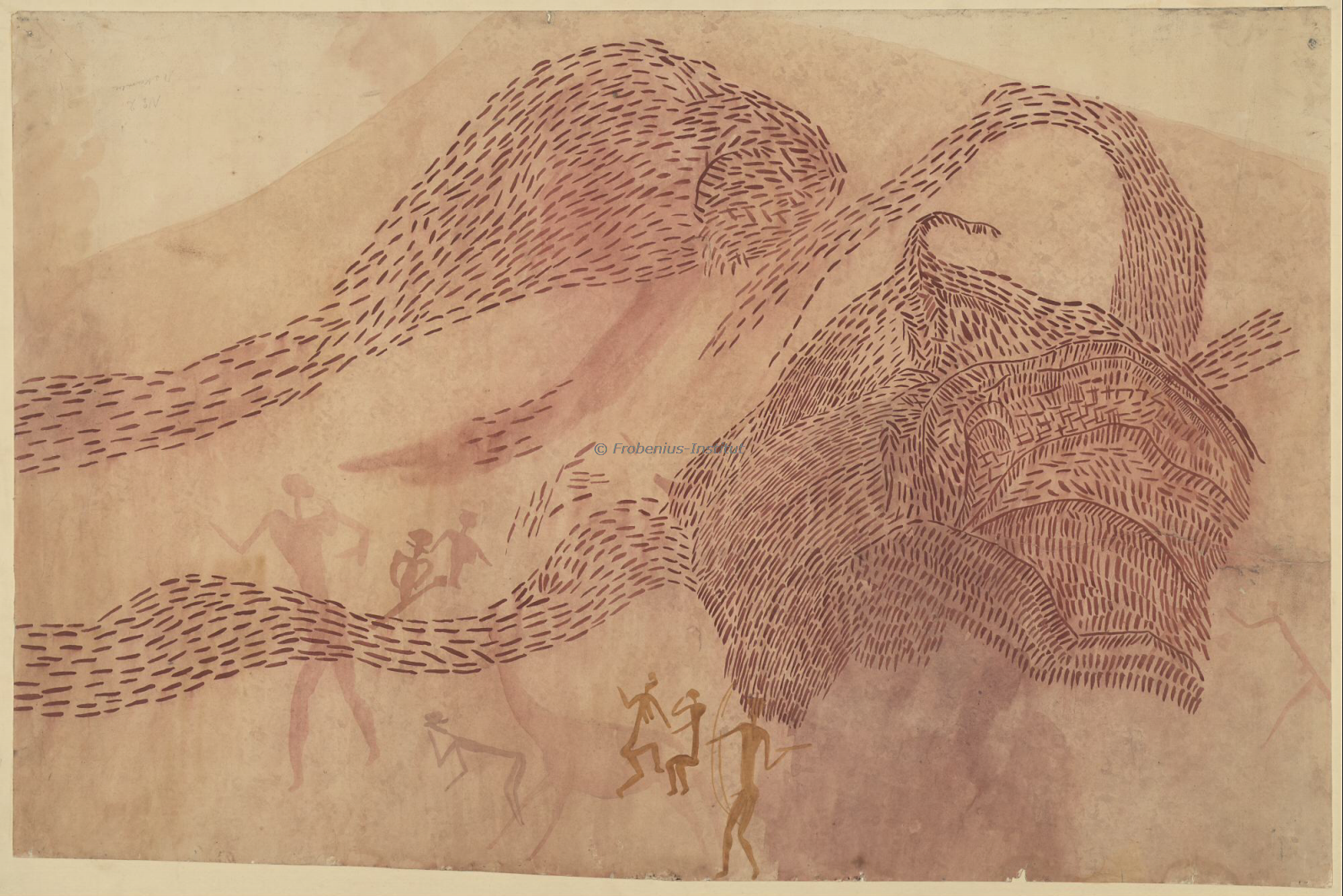
Archived photo showing the cave and the art which is now covered by soot
Also known as Mawanga Cave, Makumbe Cave is situated within the Cross Mountain in the Chinamora Communal Lands of Mashonaland Central Province. Designated as a National Monument Number in 1949, the site is managed by the National Museums and Monuments of Zimbabwe (NMMZ) for its cultural and archaeological significance. The shelter used to exhibit a vibrant collection of paintings but most of these paintings are no longer visible.
Directions: by car
Drive out of Harare on Borrowdale Road toward Domboshava
Continue past:
Domboshava turn-off
Ngomakurira turn-off
After ~30 km, turn left onto a gravel road
Follow the track ~1 km, then turn onto a farm track
Park and walk up the hill to the large cross (Cross Kopje)
The rock art cave is directly below the cross

Kombi Directions
Take a kombi from Fourth to Domboshava
From there, take a local taxi toward Chinamhora communal lands
Ask for Makumbe Hill / the Cross
Walk up the hill to reach the site
The cave lies beneath a prominent cross on the hilltop—this landmark makes the site easy to identify once nearby.
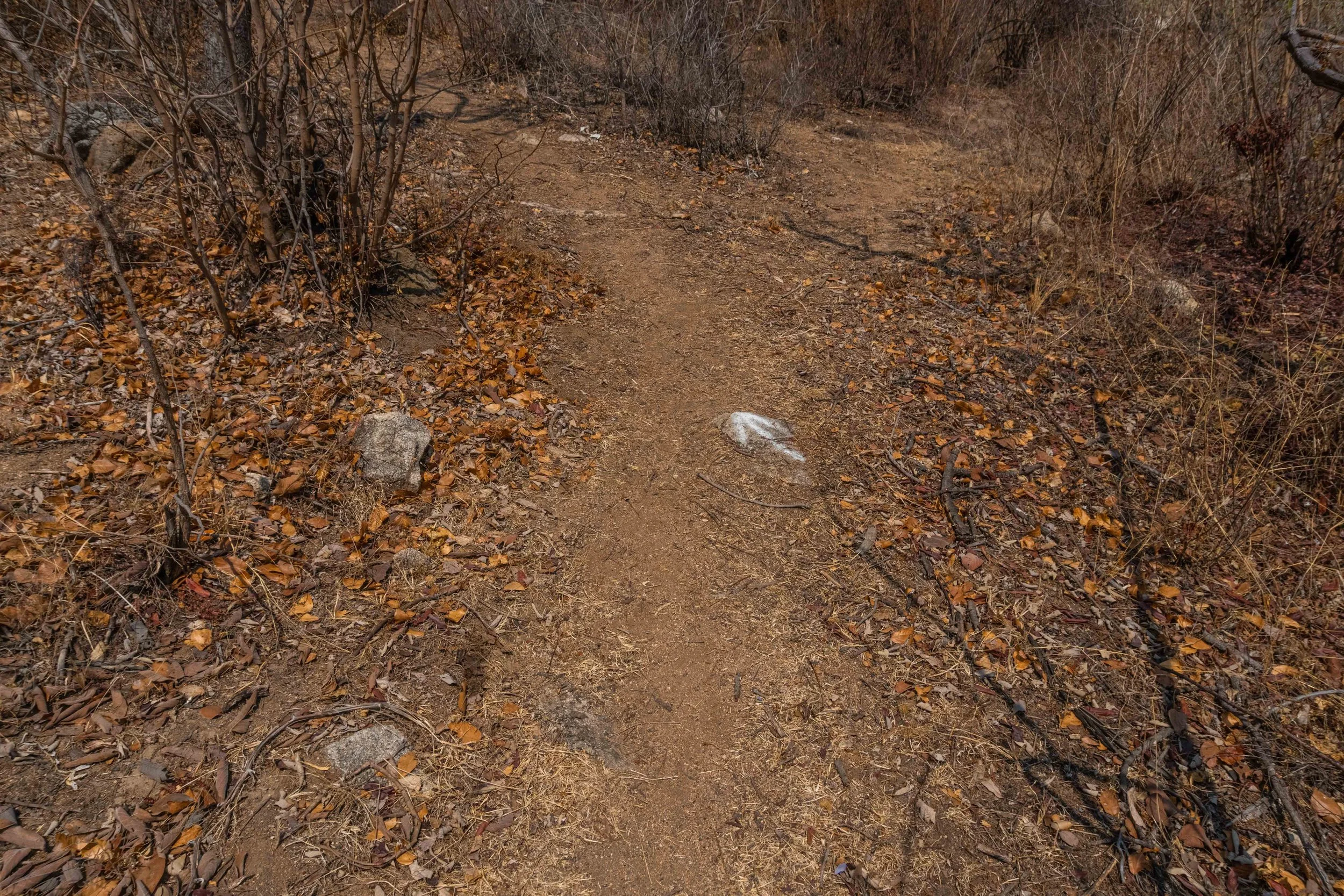
Pathway to the cave with arrows so you wont get lost
scan for directions on google maps
The Art
The earliest recorded visit to the site was made in 1927 and 1929 by members of the Frobenius expedition who documented two distinct groupings of paintings that they referred to as the “main cave” and a smaller cave. When archaeologist Peter Garlake conducted a systematic investigation of Makumbe in 1987, he described the main cave as a “narrow, dark horizontal cleft below the prominent cross on the summit of the hill” (Garlake 1987). Consistent with earlier visitors, Garlake divided the painted panels into Makumbe (the main shelter) and Lower Makumbe (the smaller shelter). He reported that paintings at Lower Makumbe were less severely damaged than those in the main cave, where only fragments remained visible.
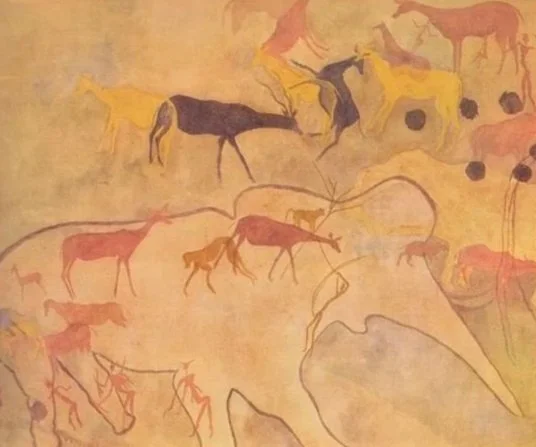
Painting by Elizabeth Goodall showing the superimposition once seen at Makumbe (photo acquired from ZimfieldGuide)
The layering of images suggests that Makumbe was revisited over extended periods, possibly by multiple groups or across generations. According to the law of superposition, “any drawing below must be older than one which is made above it” (Burkitt 1928, 111). In his analysis of the panel, Burkitt noted that in addition to the paintings having been painted one on top of the other, the individual layers could be separated according to the unique color sequences employed by the different artists. He argued that the artists, whose paintings had built up in layers on the granite surface of the cave wall, were all working at different times and in different styles, with each artist appearing to favor a particular color of paint.
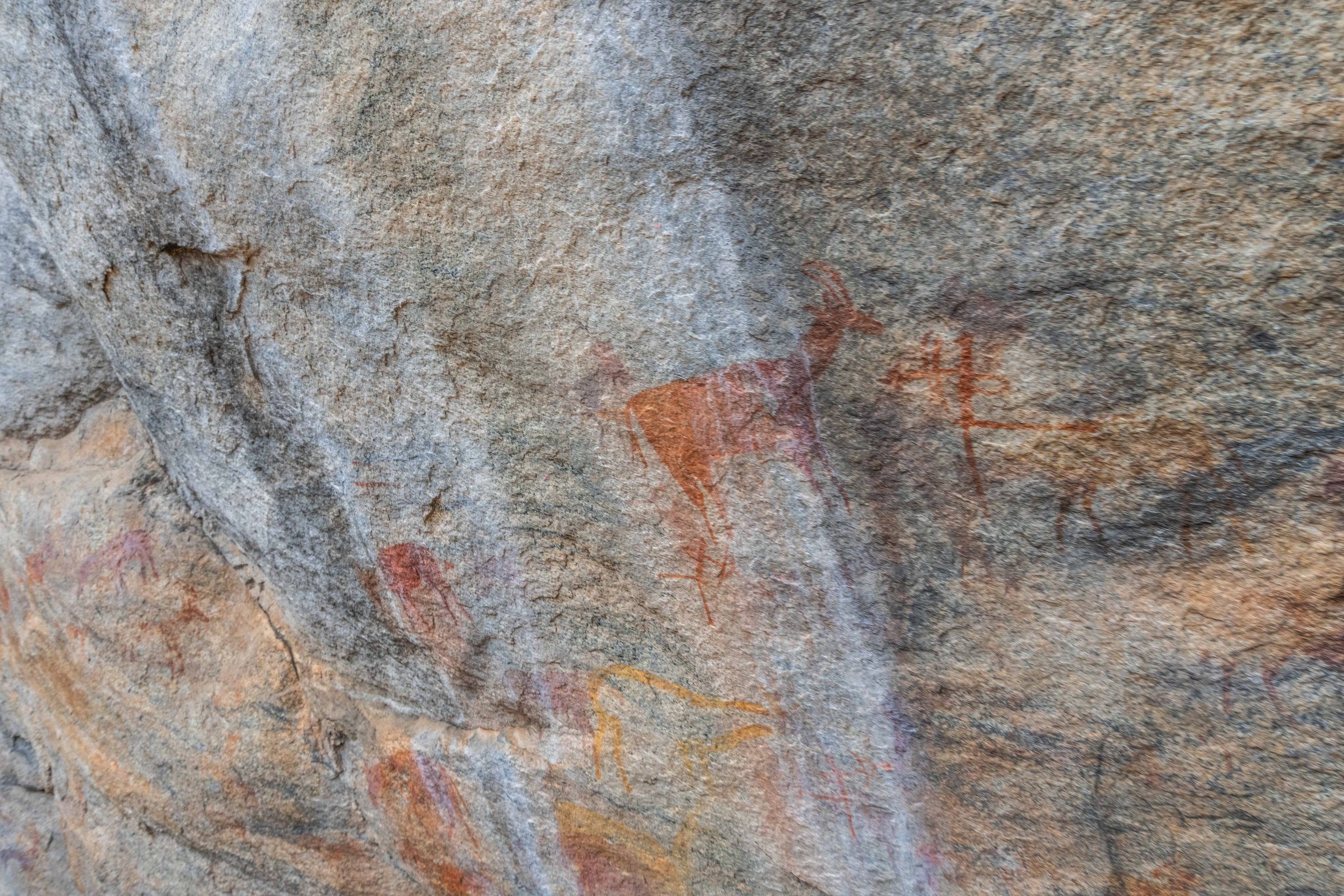
Hunter with bow and arrow aimed at a sable antelope and a couple more antelopes on the panel.
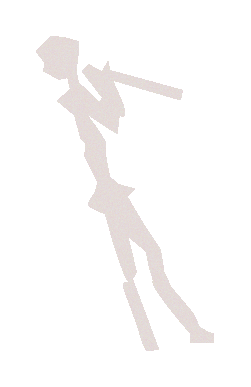
Another panel shows a human figure in an active hunting position holding a bow and arrow pointing directly to a sable antelope further adding to the understanding of this as a hunting scene.
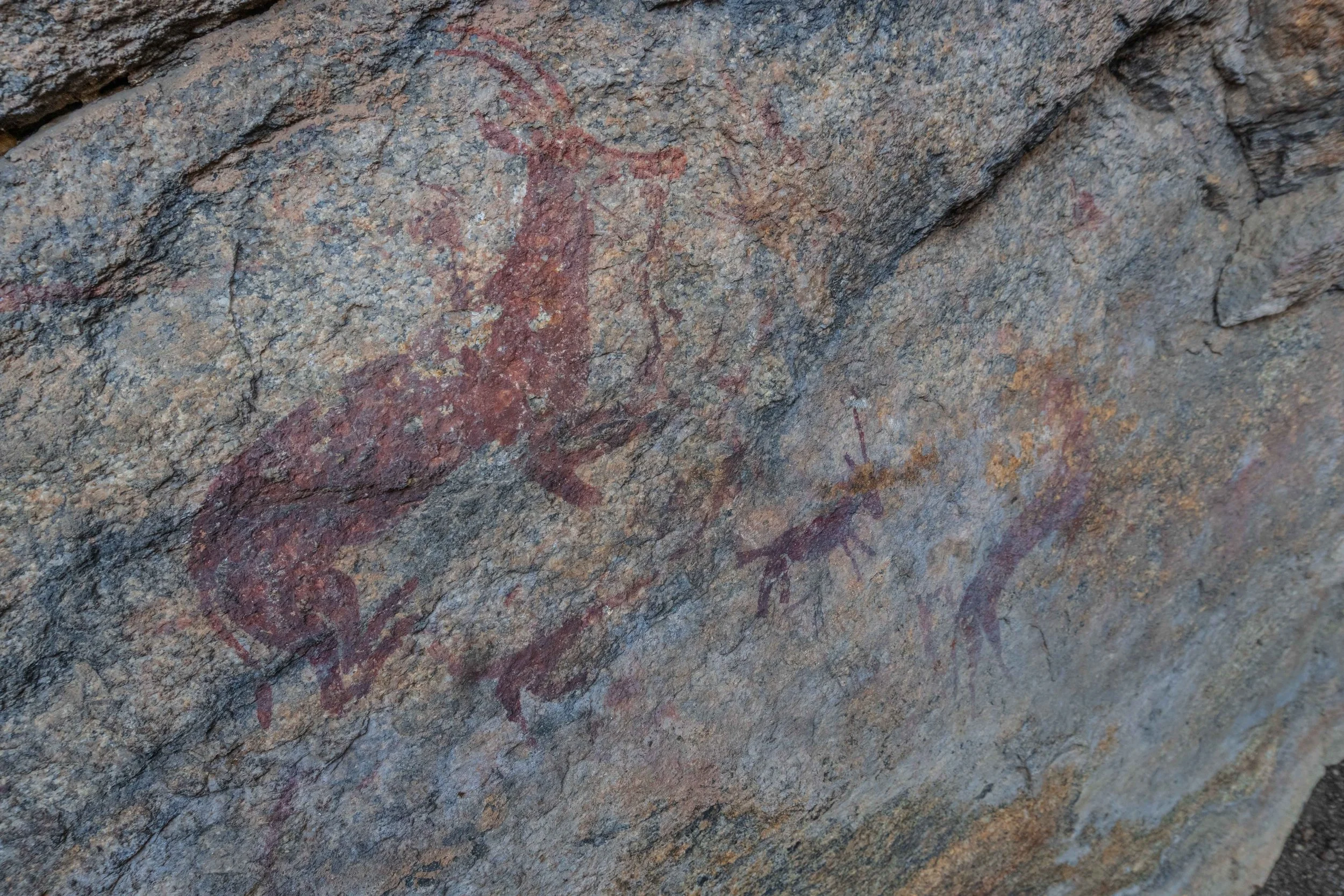
Sable antelope in a lying position.
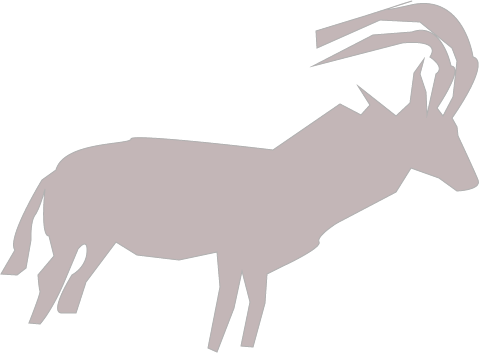
The most prominent remaining panel has a large group of sable antelope, some lying down. This posture may be a naturalistic depiction of the antelope resting from a long walk or just for shade. However, many of the sable have deep hollows in their stomach areas that were originally painted white, but the paint has faded and this indicates they had been hunted thus being in a lying position
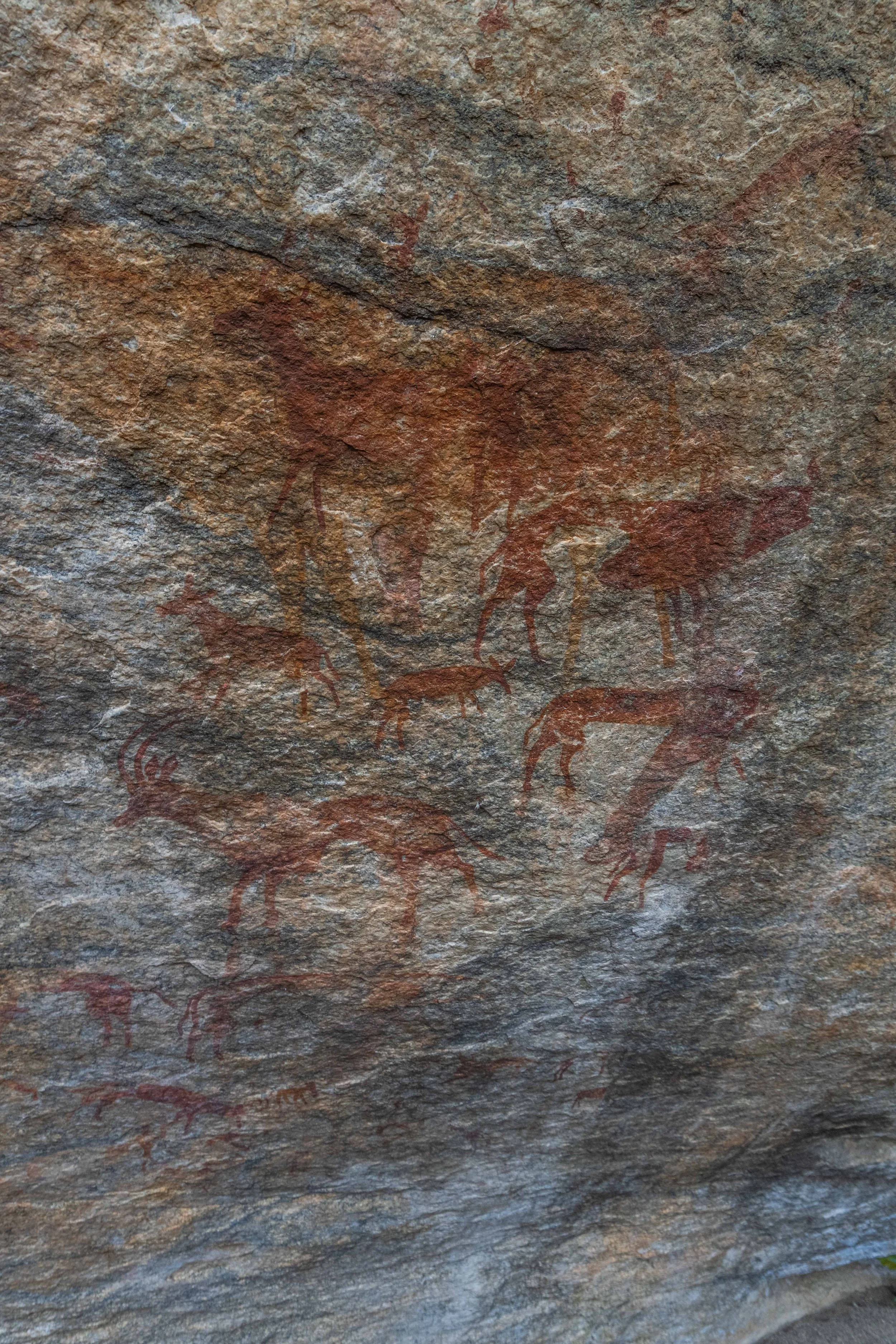
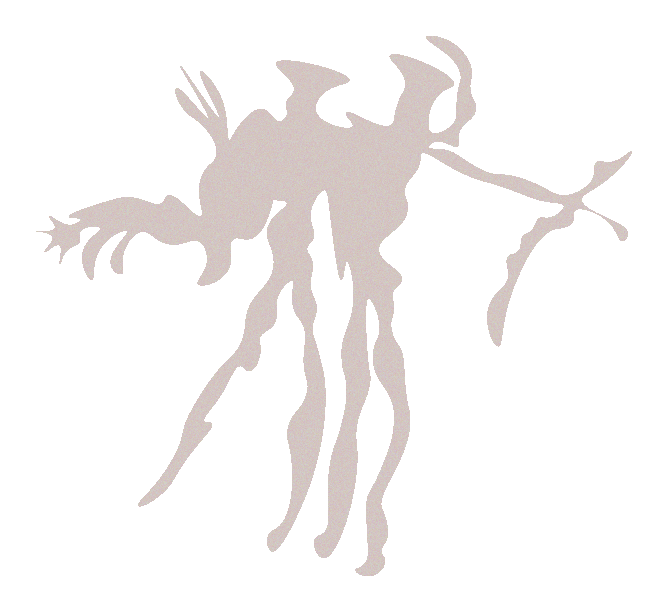
A couple of deer and sable antelope superimpositioned together from the Lower Makumbe cave
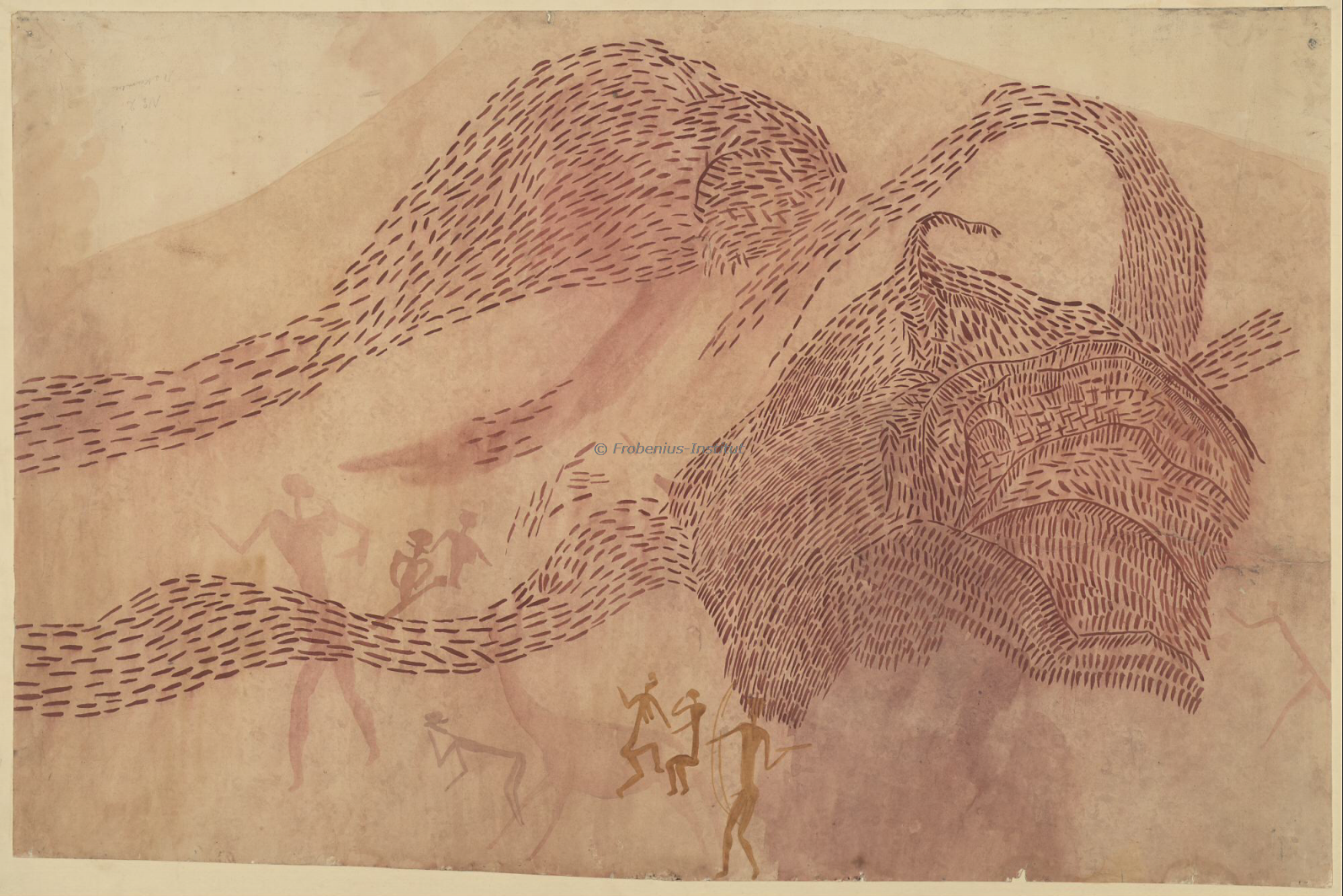
Archived photo showing human figures superimpositioned on some geometric symbols which are representing the mountainous landscape
Conservation
Contemporary human interactions with rock art sites are “often the major threat to the art” (Coulson, Marufu, and Nhamo 2017). One such example is the use of the caves as congregation areas for religious activities such as church meetings, prayer vigils, and healing sessions. The activity disturbs the shelter floor, generating dust that settles on the surface of the cave walls, dulling the colors and sometimes obscuring the paintings from view. In addition, as in the case of Makumbe, there is evidence suggesting that religious groups lit fires inside the cave, with smoke and soot from the fires collecting on the granite surface and blackening the walls and ceiling. According to Zimbabwean researcher Ancila Nhamo (2018), the art has been “obliterated”, and the walls of the shelters continue to show signs of peeling caused by the heat generated by these fires.
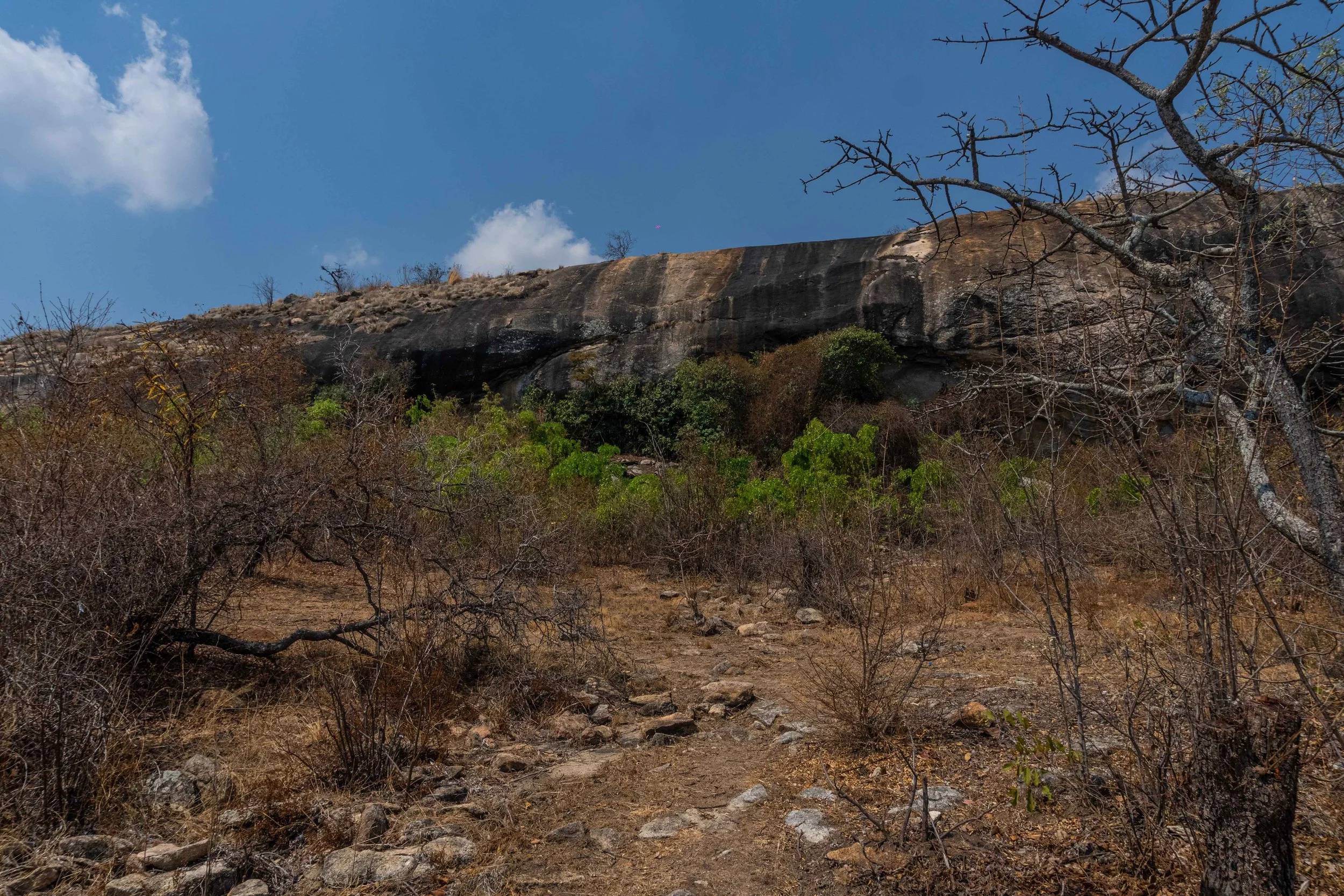
outside of the cave which is now covered by soot
Makumbe has been affected by natural weathering processes such as exfoliation, chemical breakdown of granite, and water infiltration. Exfoliation, where layers of rock peel off due to moisture fluctuations and temperature change accelerates the loss of painted surfaces. Biological growth, including lichens and mosses, further destabilizes pigments by trapping moisture against the rock.
Makumbe’s situation underscores the need for structured conservation interventions. Although it is legally protected as a national monument, regular monitoring and site management are limited. Emerging collaborative models between the NMMZ and academic institutions, such as Bindura University’s involvement in Chikupo and Chisvingo, point toward promising approaches that could be extended to Makumbe.
Archived photos for Makumbe site