
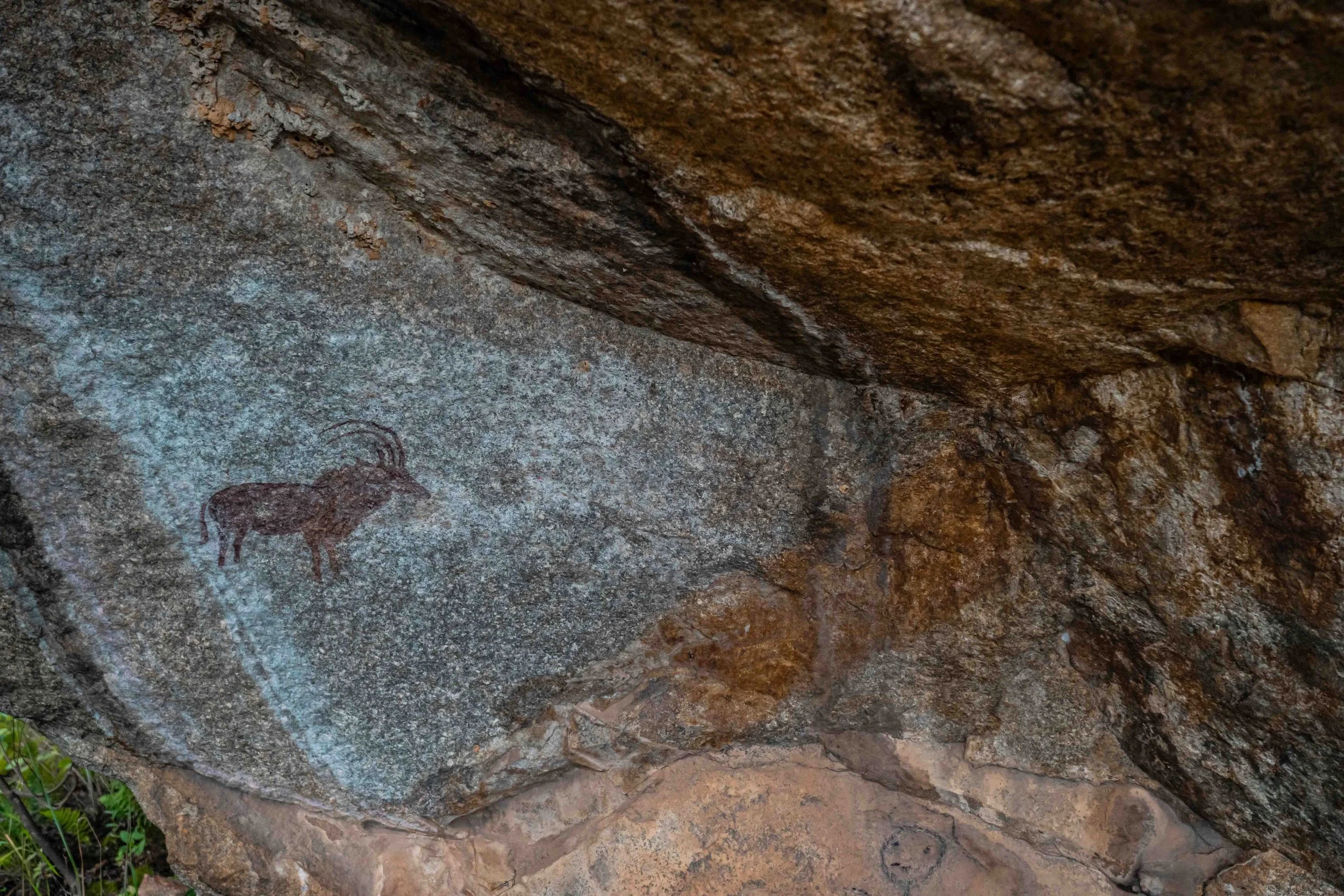
Sable Antelope
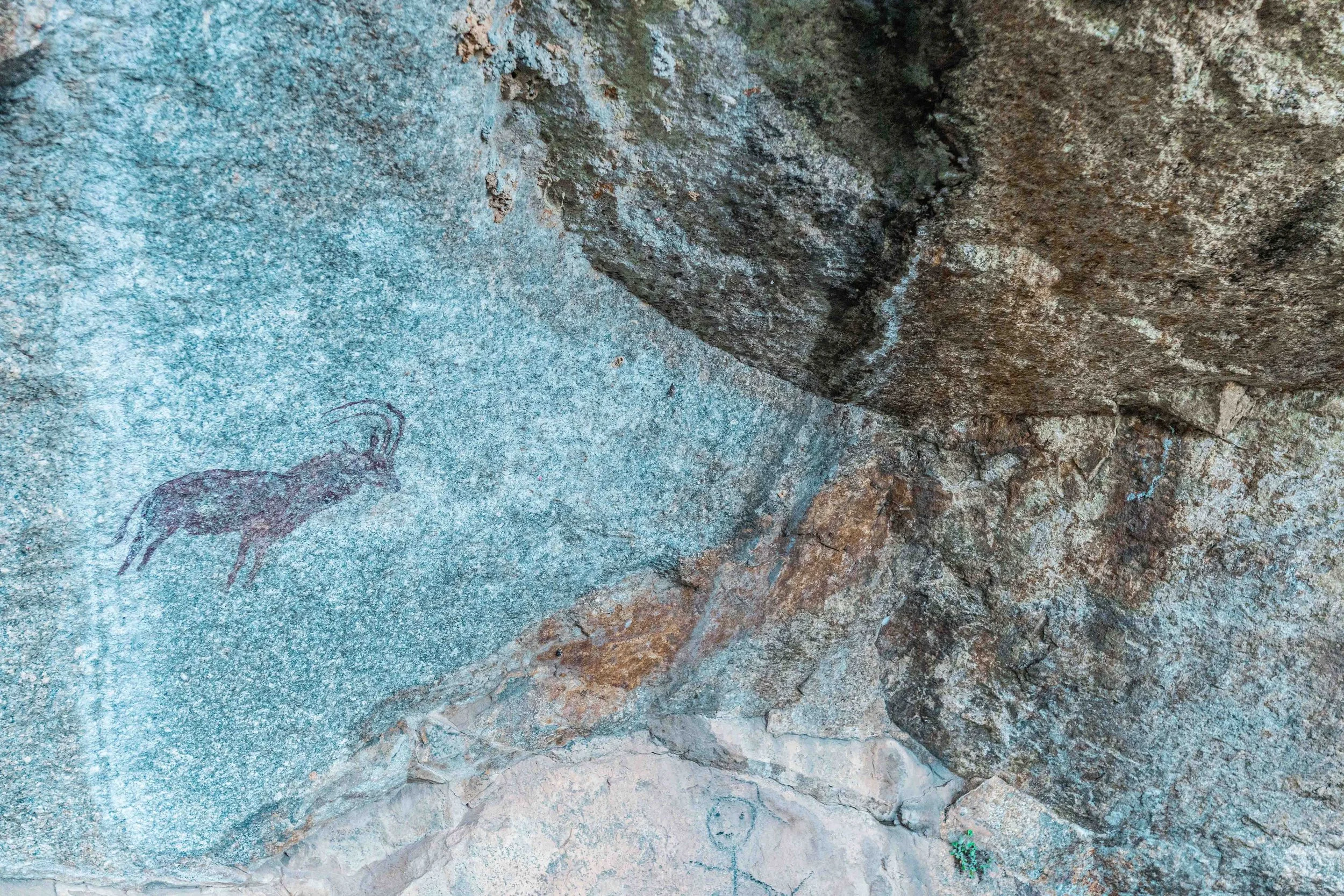
Close up of the sable antelope, below it on another rock section is a stick figure which is graffiti
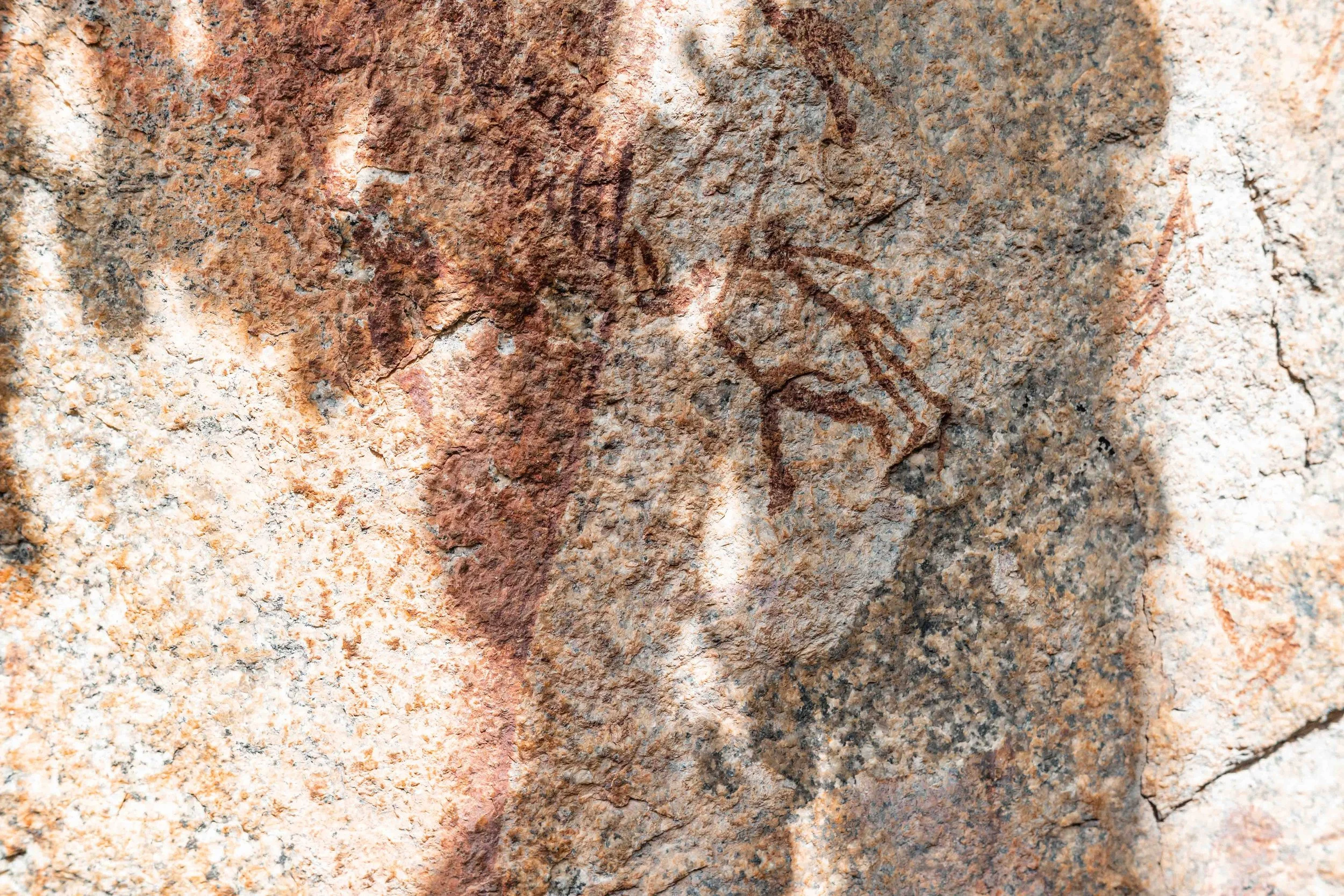
Human figures in rhythmic postures wearing aprons
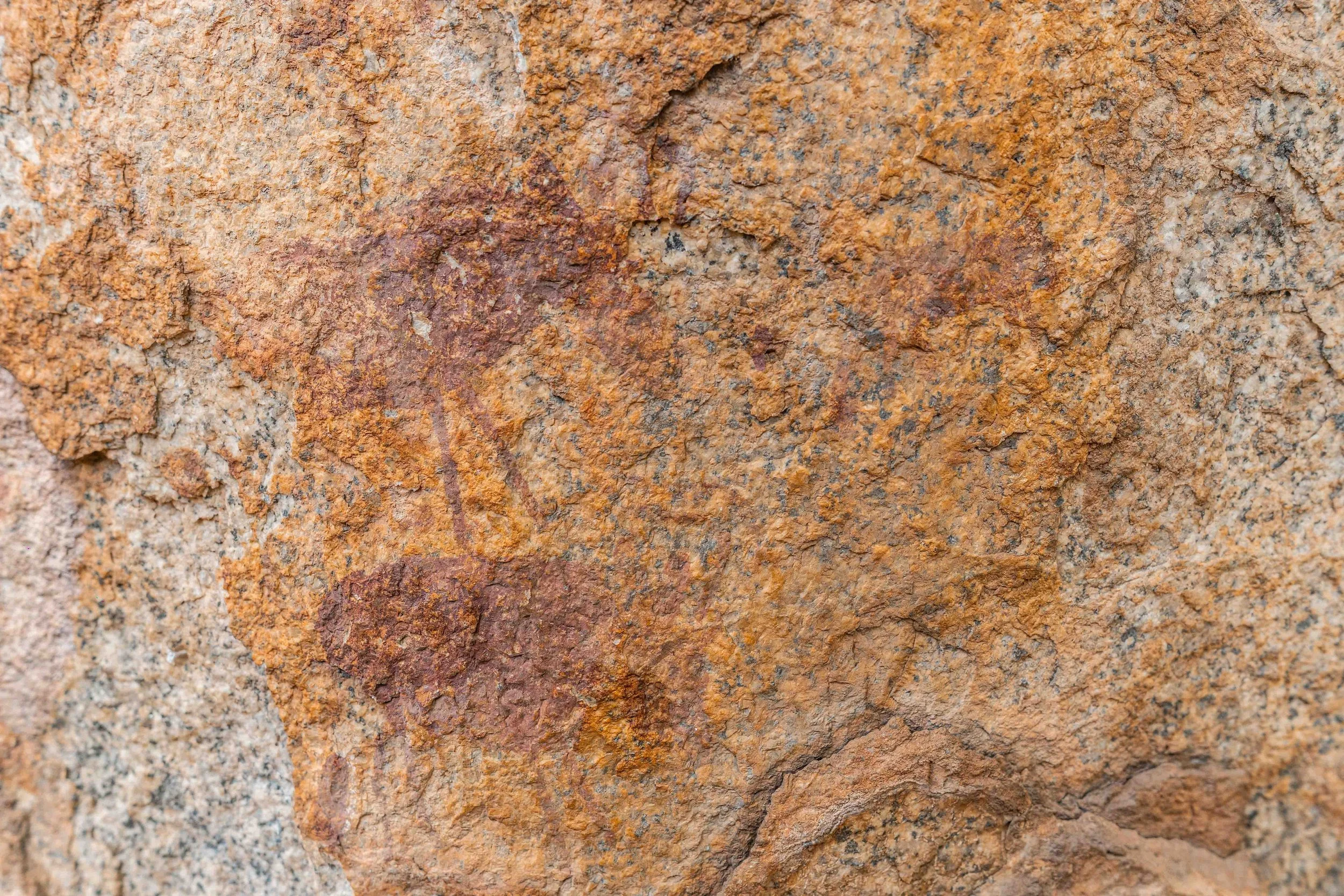
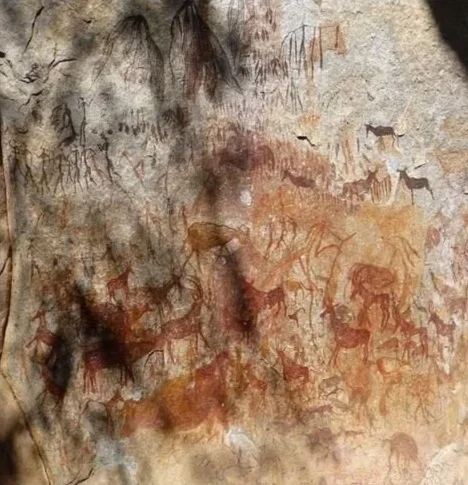
Almost faded depiction of animal figures, probably antelope
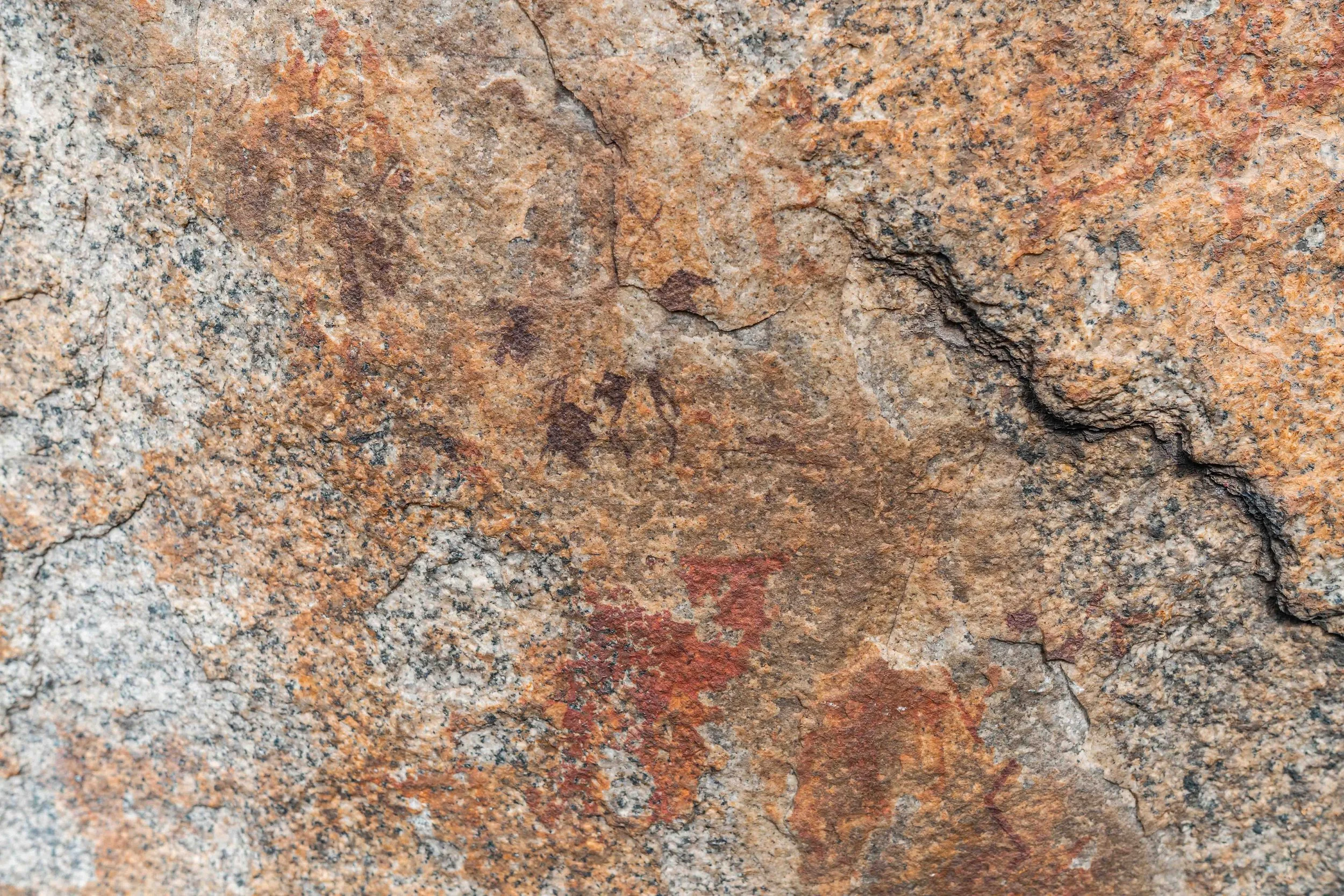
Roots and leaves depiction which has almost faded
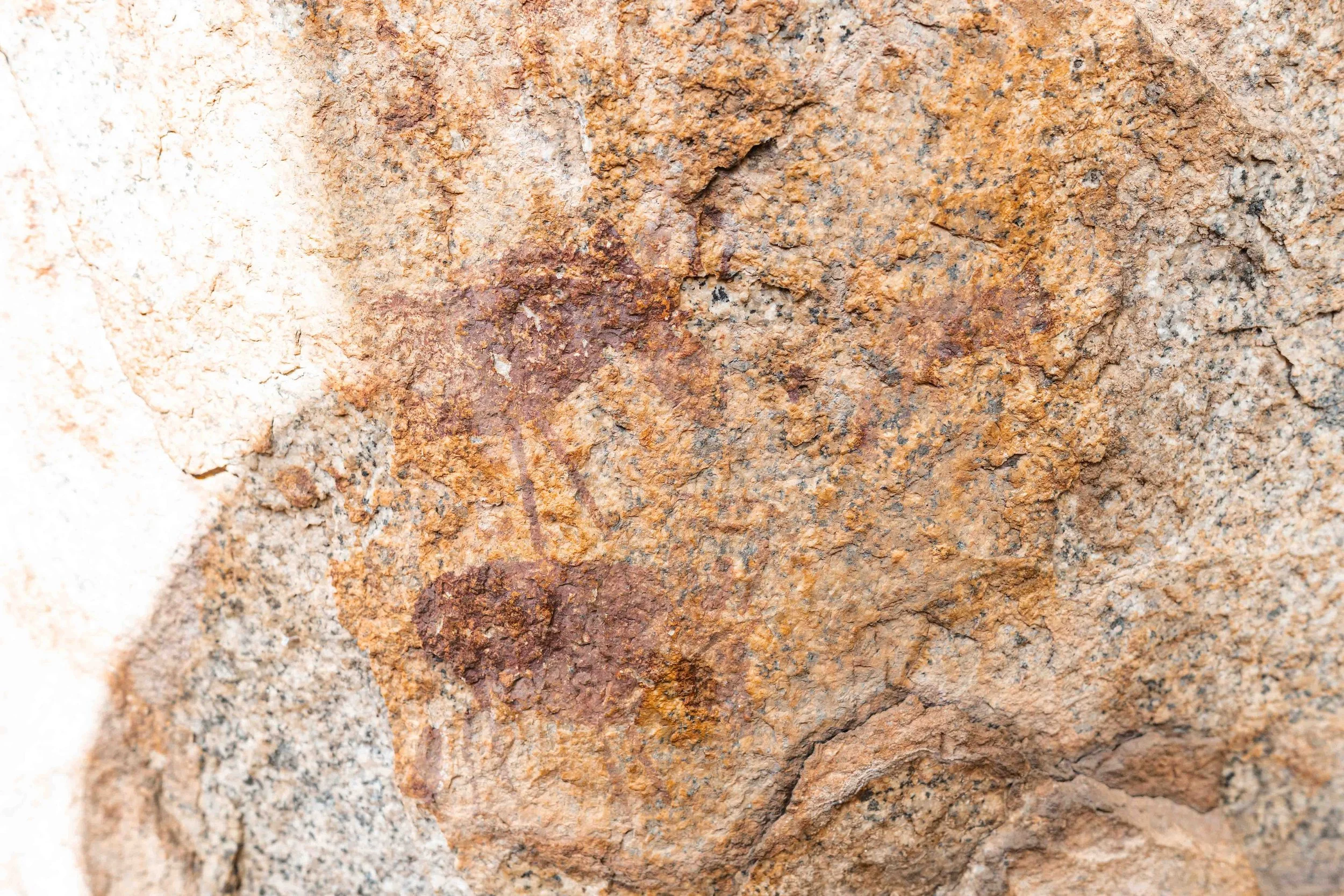
Animal depictions
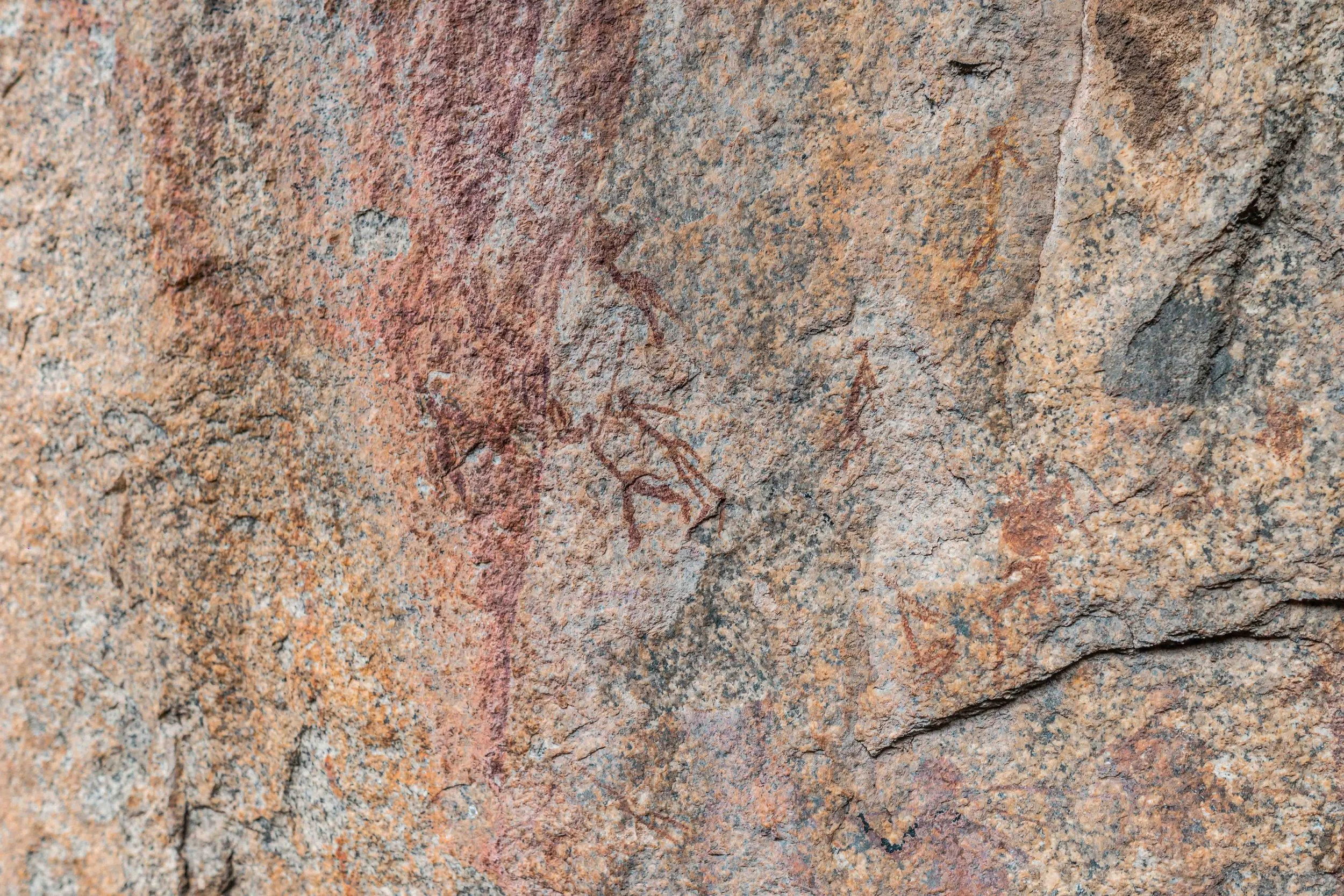
Human figures wearing aprons and dancing while holding instruments. Other figures are almost faded, one is in a sitting position others standing
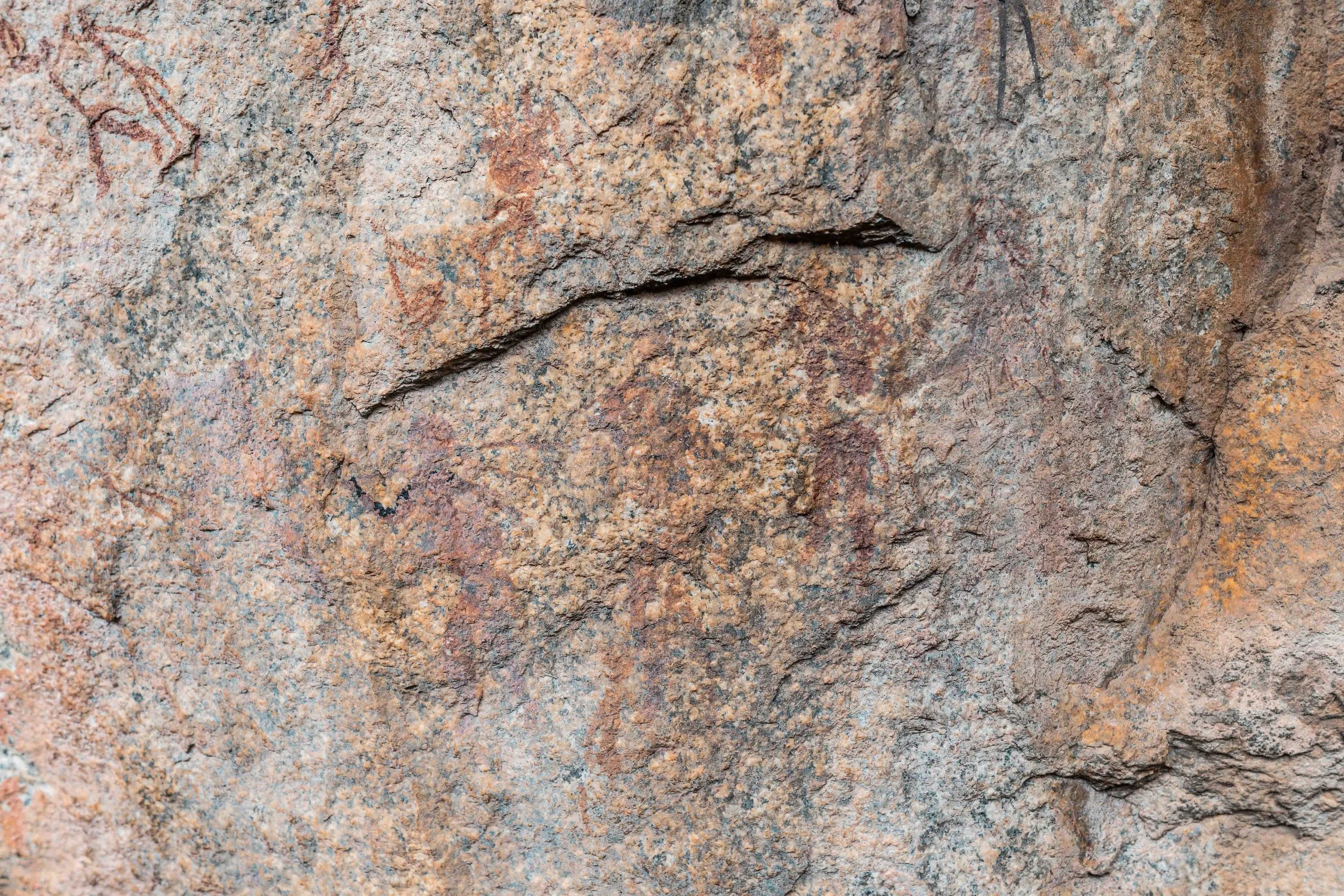
Use of the rock to separate art, below are larger human figures wearing aprons in movement. The one in front raising their hand
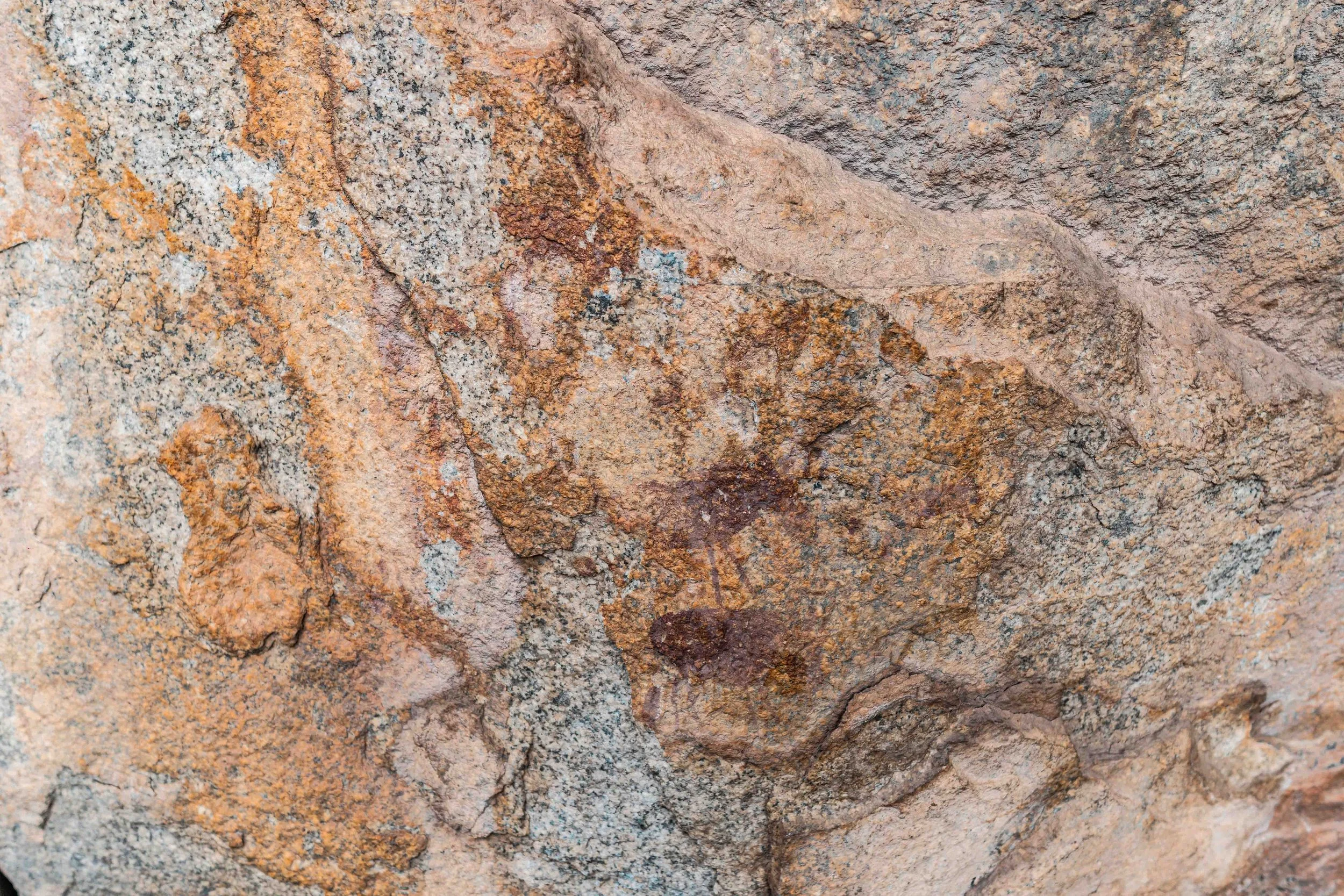
Panel being affected by erosion
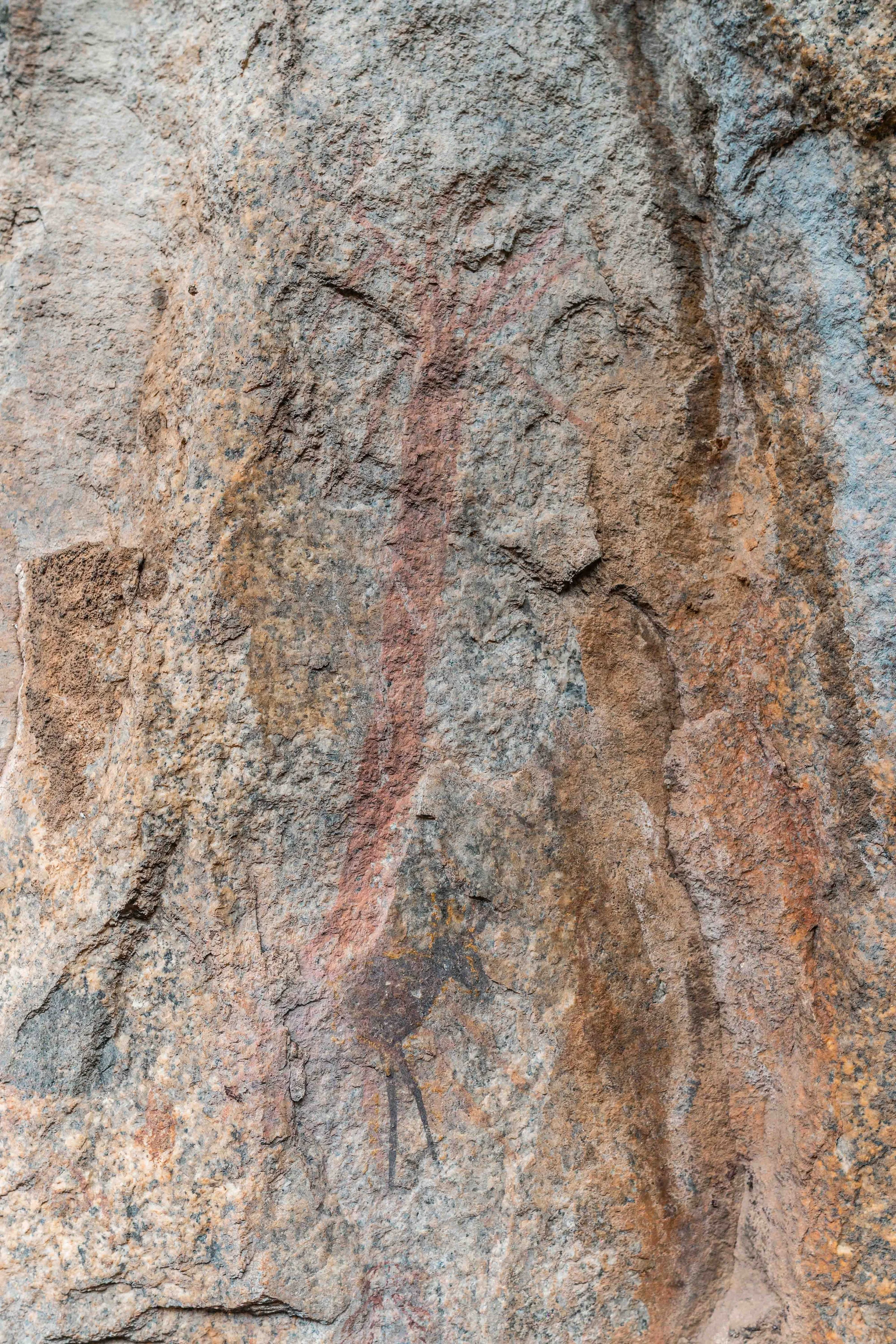
Depiction of an antelope in black pigment and a tree in light reddish pigment
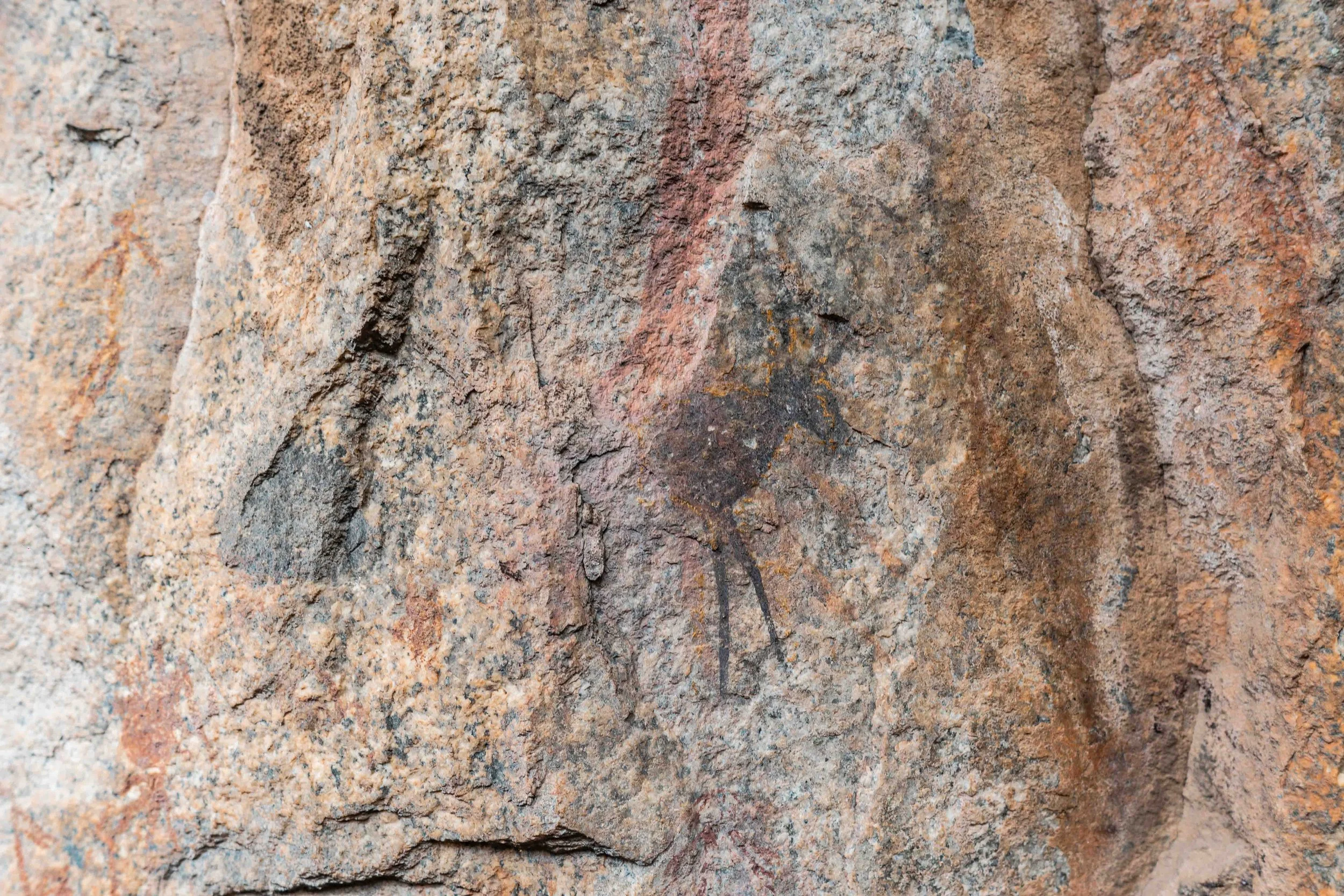
Close up of the depiction of antelope and tree. The other corner showing human figures
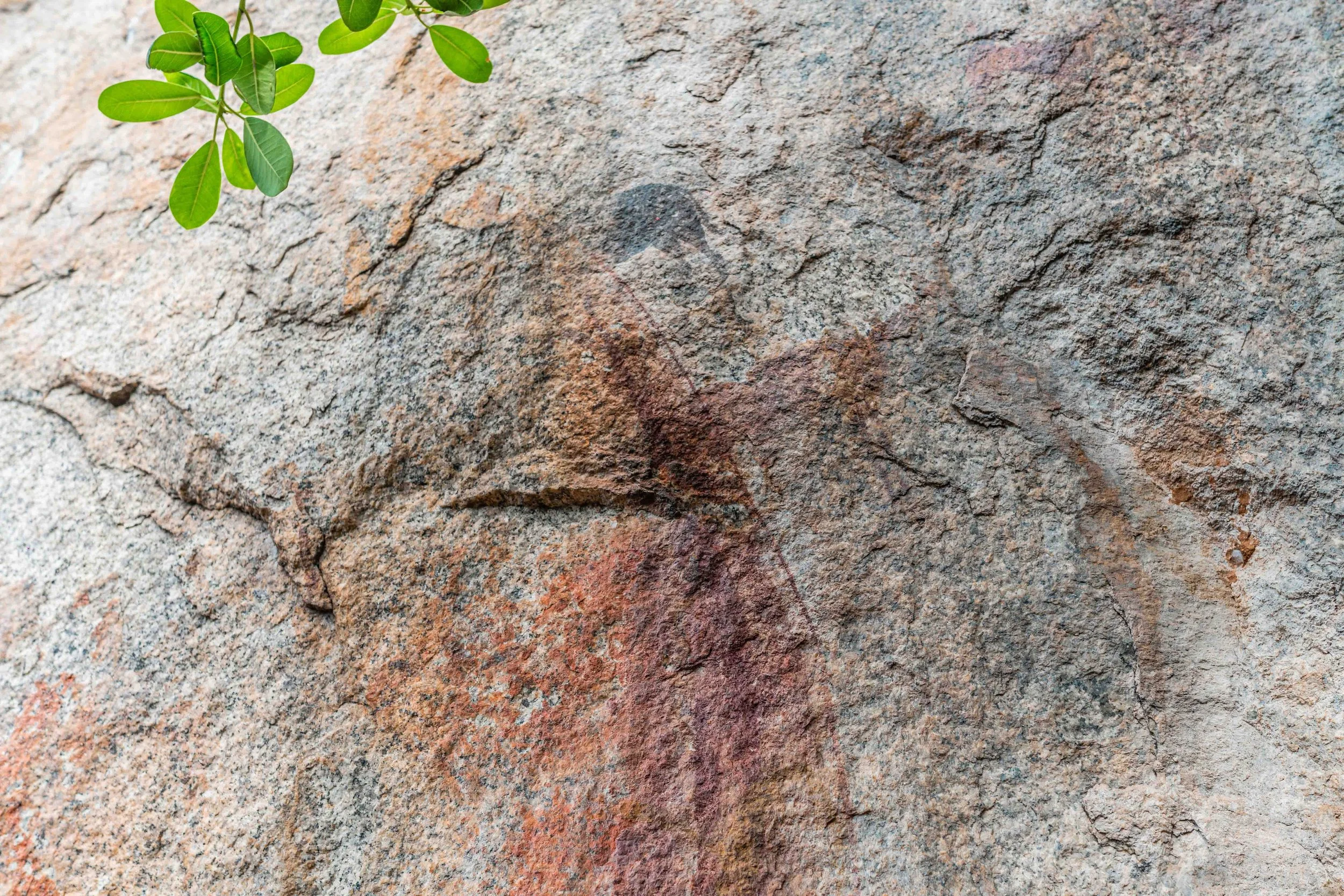
Almost faded depictions of animals
scan for directions on google maps
Thetford Game Reserve Rock Art
The Thetford Game Reserve rock art site is situated within the Thetford Game Reserve in the Mazowe Valley of Mashonaland Central Province. The reserve itself is characterized by granite kopje landscapes and large woodlands overlooking the Mazowe River and supporting diverse wildlife such as kudu, giraffe, sable, buffalo, zebra, tsessebe and rhinoceros. These species are reminiscent of those represented in the rock art at the site. The rock art site lies among exposed granite faces and its accessibility requires negotiating rocky slopes that are typical of the northern Zimbabwean granite belt
Directions: by car
Leave Harare CBD heading north on Mazowe Road (A11)
After ~6 km from the toll, turn right onto Christon Bank Road
Continue straight, ignore smaller turn-offs
At ~11.8 km, turn right onto a gravel road (Thetford signposted)
Drive over the hill → descend into the valley
Cross Mazowe Bridge
At the T-junction, turn left onto a narrow tar road
Continue until you reach the Thetford entrance (~17 km total)

Kombi Directions
Take a kombi from Mbare or Fourth Street Rank to Mazowe / Bindura
let the driver know you’re dropping off near Christon Bank
Get off near Christon Bank turn-off
From there, hire a taxi or arrange pickup with the reserve (recommended but you will need extra money)
Visits often need advanced booking especially if you will want to go for a game drive.
The Art
The panel at Thetford is dominated by depictions of human figures engaged in what appears to be a trance dance or healing ritual, alongside various faunal representations and botanical motifs. Approximately 40 % of the figures and shapes in the scenes incorporate roots, plants, or vegetative elements, suggesting a significant symbolic association or medicine use with plant life.
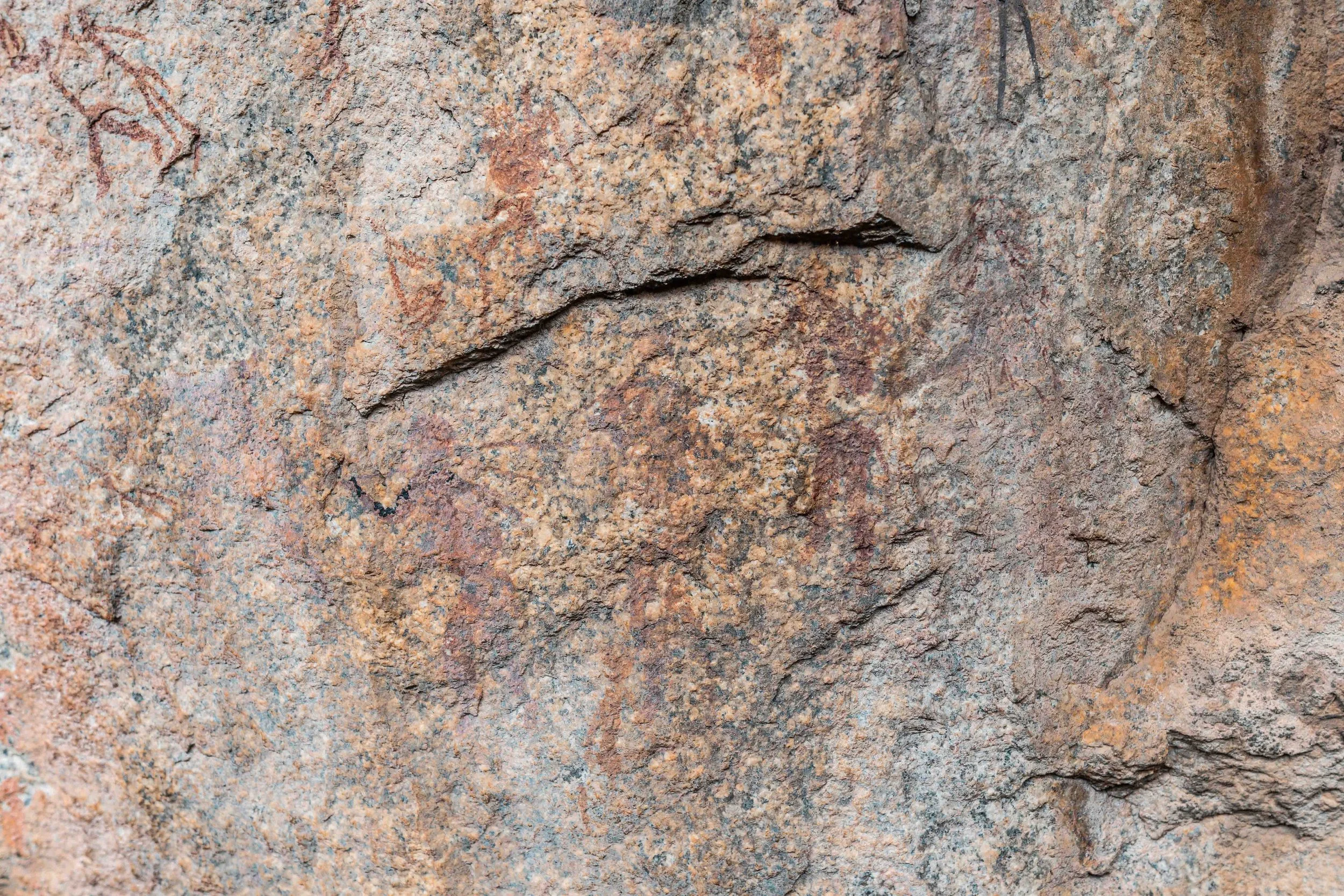
Human figures wearing aprons in a trance. The one in front raising their hand
The use of the granite rock surface itself as part of the composition is another remarkable aspect of Thetford. Natural hollows, cracks and protrusions were seemingly integrated by the artists to enhance narrative meaning, suggesting that the physical landscape was not just a canvas but an active element of ritual expression. This integration aligns with theoretical models of rock art interpretation that emphasize the interplay between art and place, where the rock face becomes a liminal threshold between the material and spiritual world.
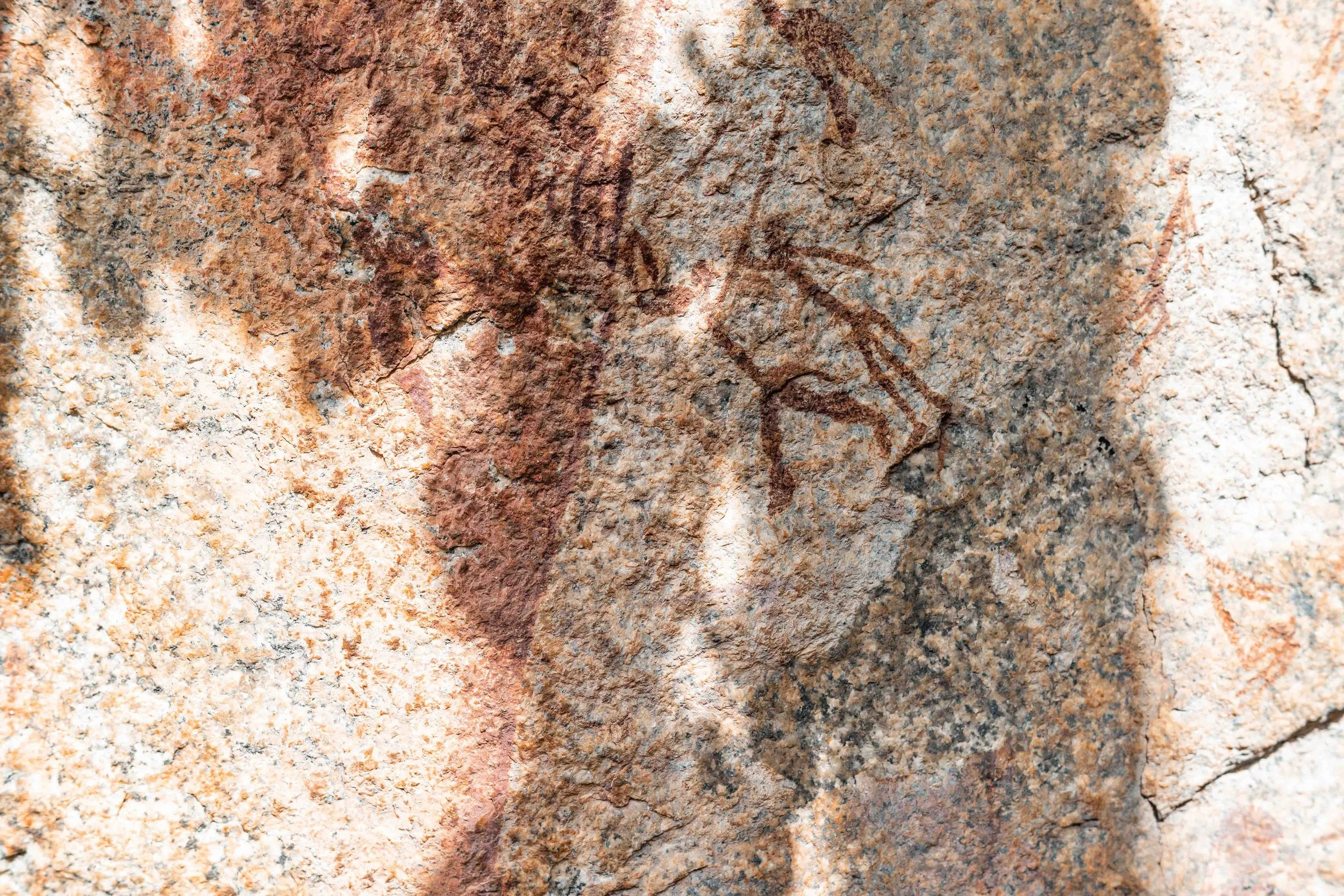
Human figures in rhythmic dancing postures wearing aprons
The trance dance imagery shows the dancers in rhythmic postures, wearing aprons, headdresses, and rattles which are objects ethnographically associated with shamanistic healing practices among San communities in southern Africa (Katz, 1982)
Prominent rock art scholars like J. David Lewis‑Williams and Thomas Dowson highlight that such stages of trance, or !kia, are central to understanding San cosmology and the symbolic roles of depicted figures, where elongated limbs, rhythmic lines, and energy representations (such as stippling and formlings) signify altered states of consciousness (Zimbabwe Field Guide)
There is also a depiction of a human figure with hoops on either side of the neck which Peter Garlake (1995) argues were intended by the artists to portray the enlarged arteries of a shaman in trance.
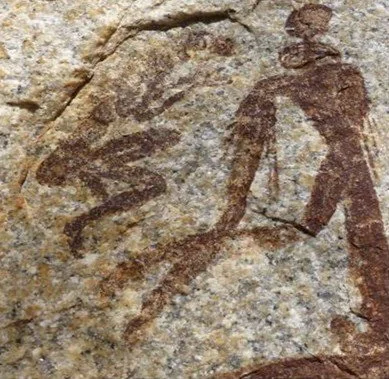
Human figure in a crouching position in line with the rock formation and the other figure with hoops on their neck possible representation of jewelry (photo from ZimfieldGuide)
There is a procession of women dancing below two figures. One of the figures appears to be a healer while the other figure is curled up in the foetal position in a natural depression in the rockface. The procession of women leads into a large crack in the rock face. The art at Thetford is believed to be associated with the cracks in the rock itself, the rock was included in the scenes seen on it. In this instance, the cracked surface is believed to be indicating another world thus the women dancing towards the crack symbolizes going into the spirit-world (Heever, 2021.)
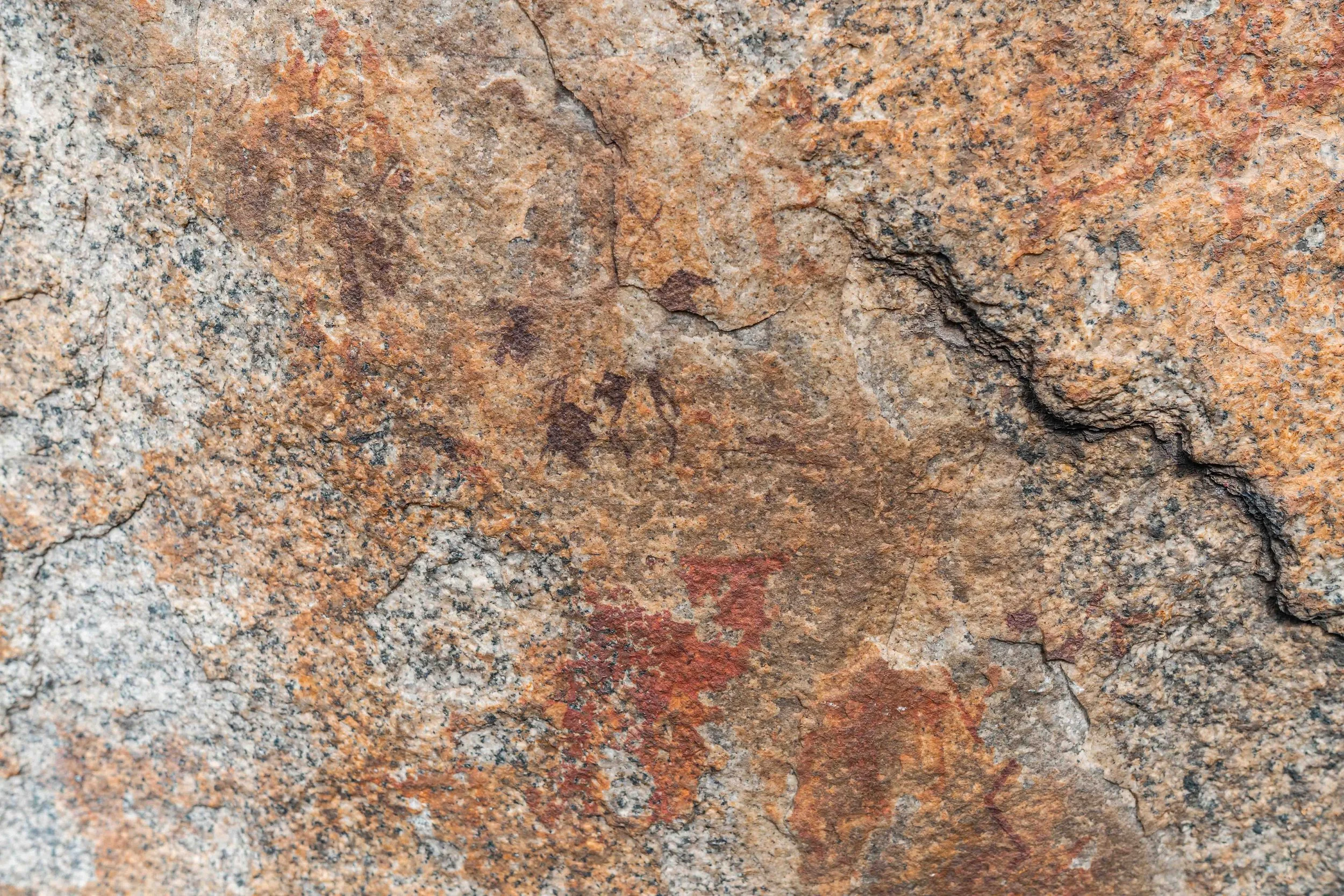
Roots and leaves depiction which has almost faded
The incorporation of plant and root motifs at Thetford invites additional interpretive lenses. Recent research suggests that plants played critical roles not only in subsistence and medicine but also in ritual and cosmological symbolism for hunter‑gatherer groups. They reveal complex interconnections between human identity, plant life, and spiritual realms in San belief systems. The large root motifs at Thetford bear some resemblance to fruiting structures or seedpods (Nhamo, 2020) but Stephen van den Heever classified them as roots because they appear to be sprouting (Heever, 2021).
Conservation
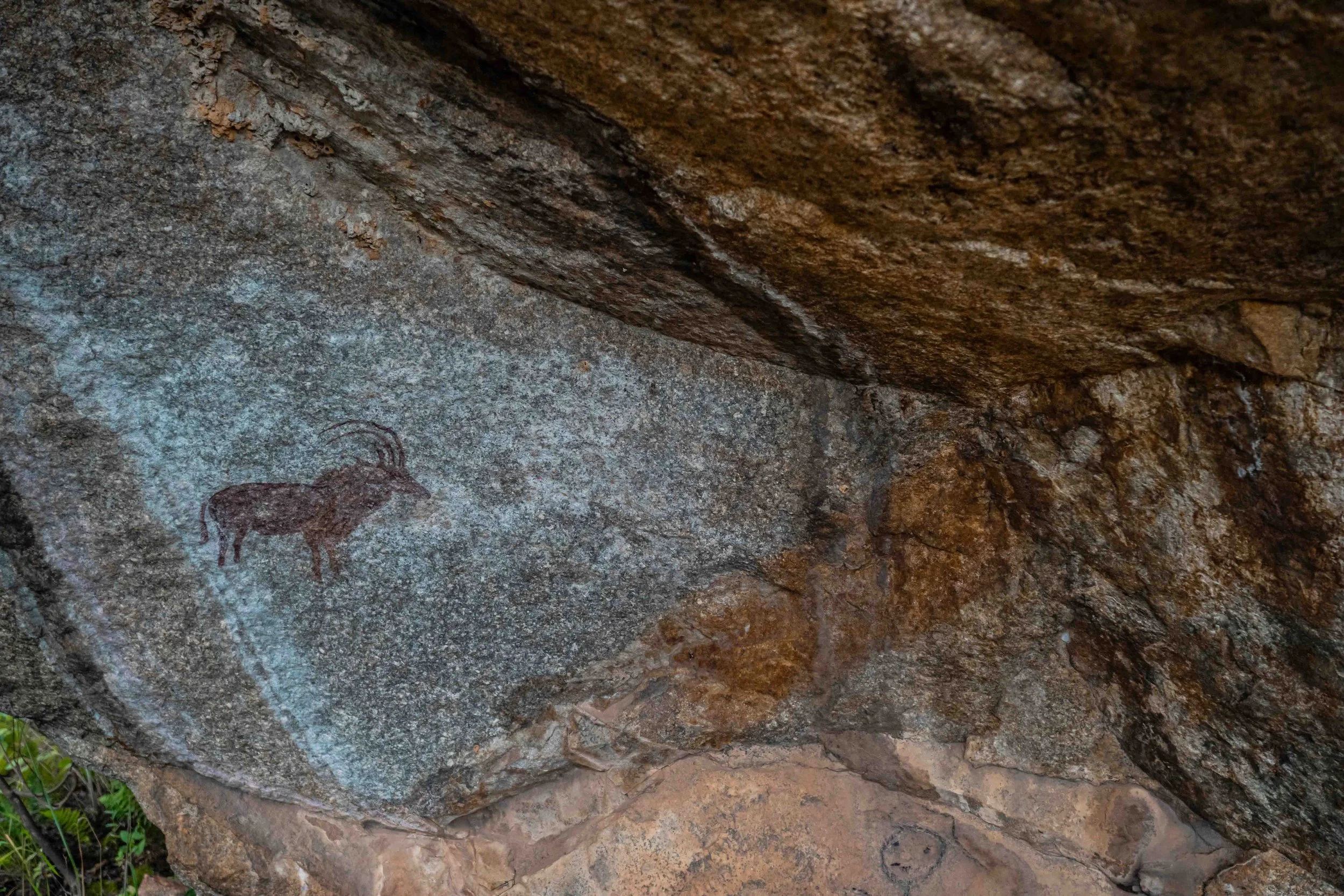
the sable antelope, below it on another rock section is a stick figure which is graffiti
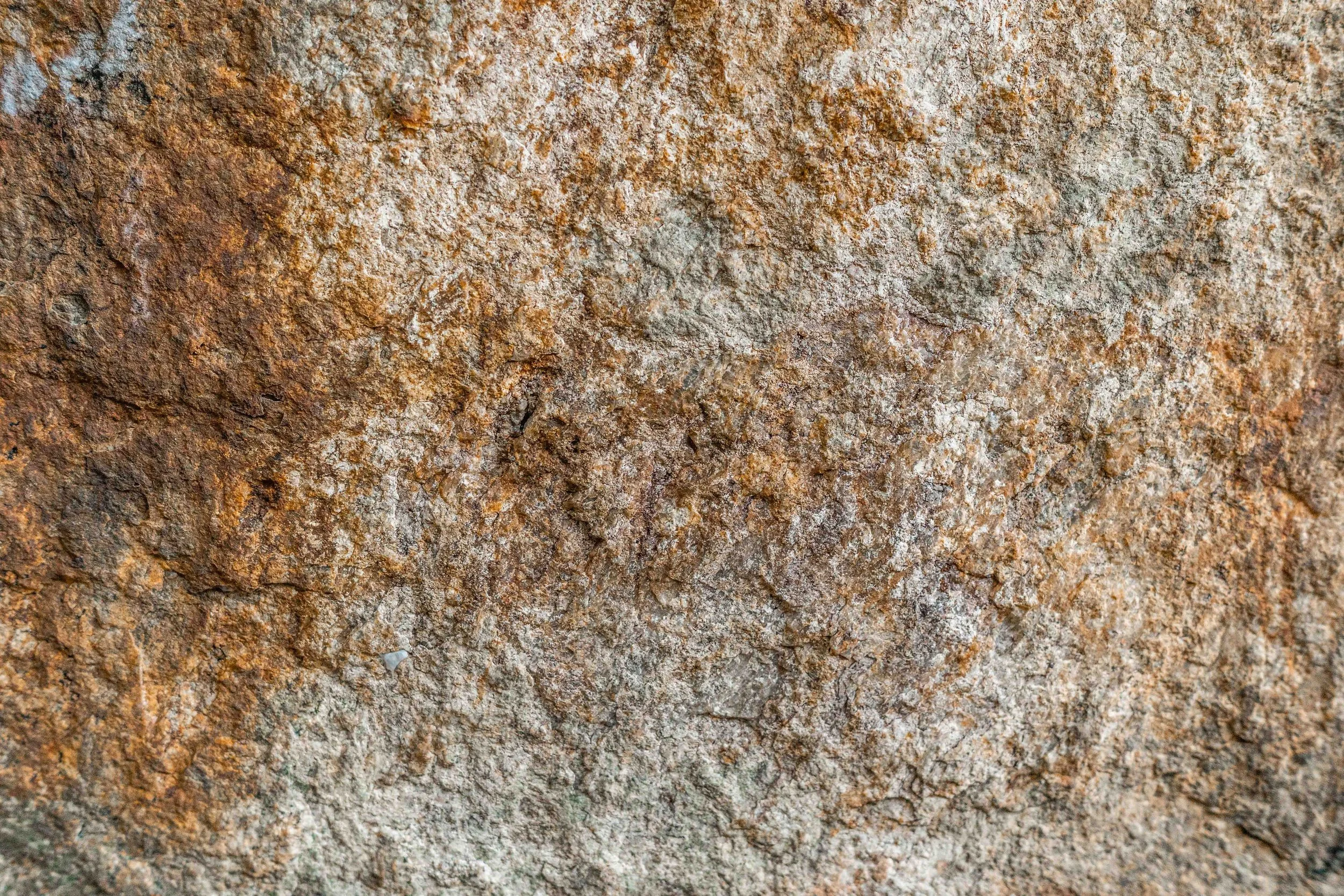
Completely affected section which had depictions of human figures
Thetford rock art panel faces multiple threats from natural weathering and human impact just like the rest of the rock art sites. Management of the site falls within the broader conservation goals of the Thetford Game Reserve, which primarily focuses on wildlife protection. The human occupation of surrounding lands and increasing visitation pressures underscore the need for structured archaeological stewardship, including documentation, monitoring, and protective measures such as controlled access to sensitive areas.
Conservation efforts for Zimbabwean rock art more broadly have increasingly incorporated collaborative models involving academic institutions, heritage authorities, and local communities, recognizing that integrated stewardship enhances both preservation and scholarly understanding.